The act of archiving life becomes a political gesture of resistance.
Through it, the ordinary is transformed into an active trace of survival, defense, and opposition. Existence itself emerges as a site
of struggle. The contradictions that shape our lives,  lived as political subjects , open up spaces for testimony, reflection, and dissent.
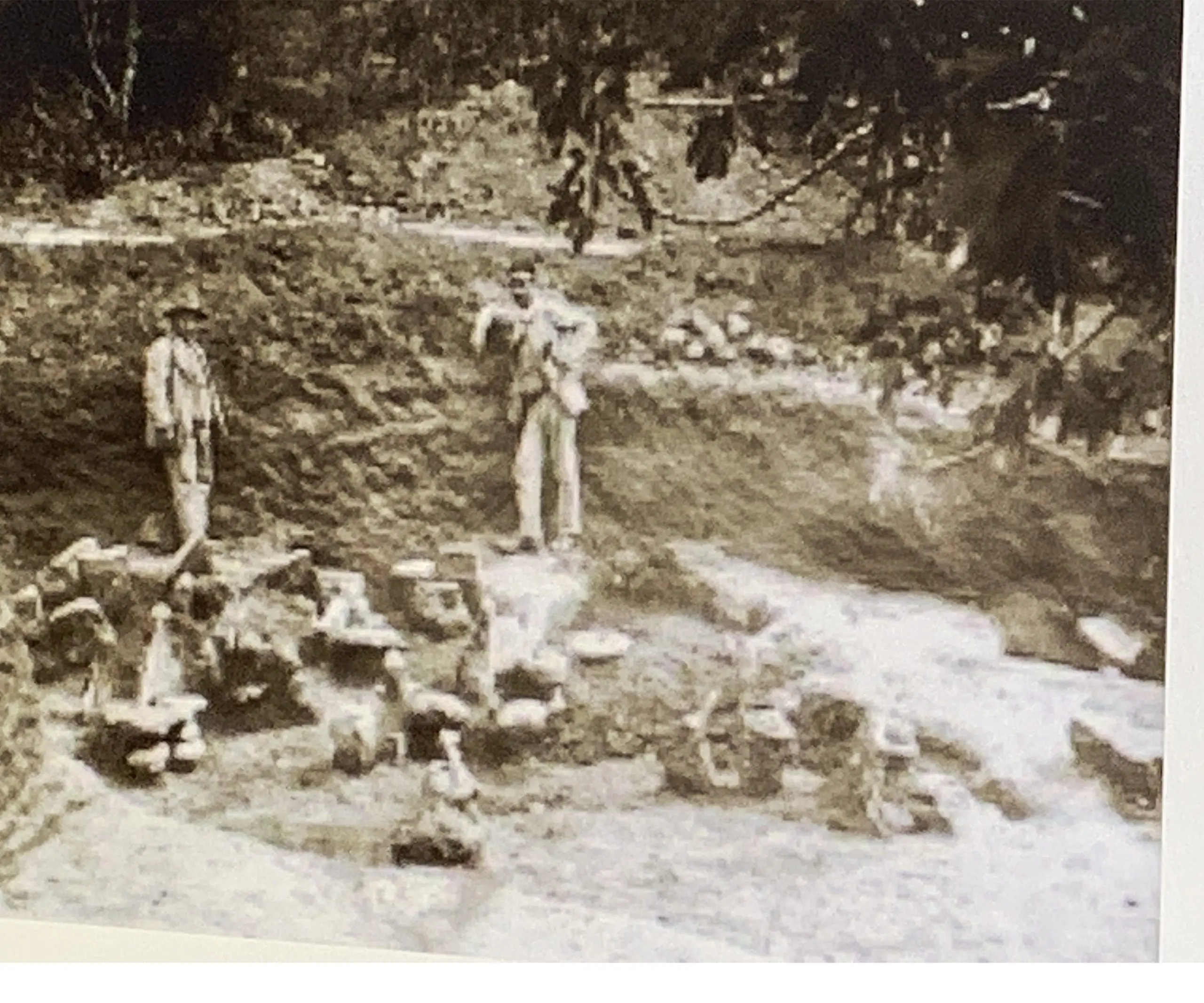
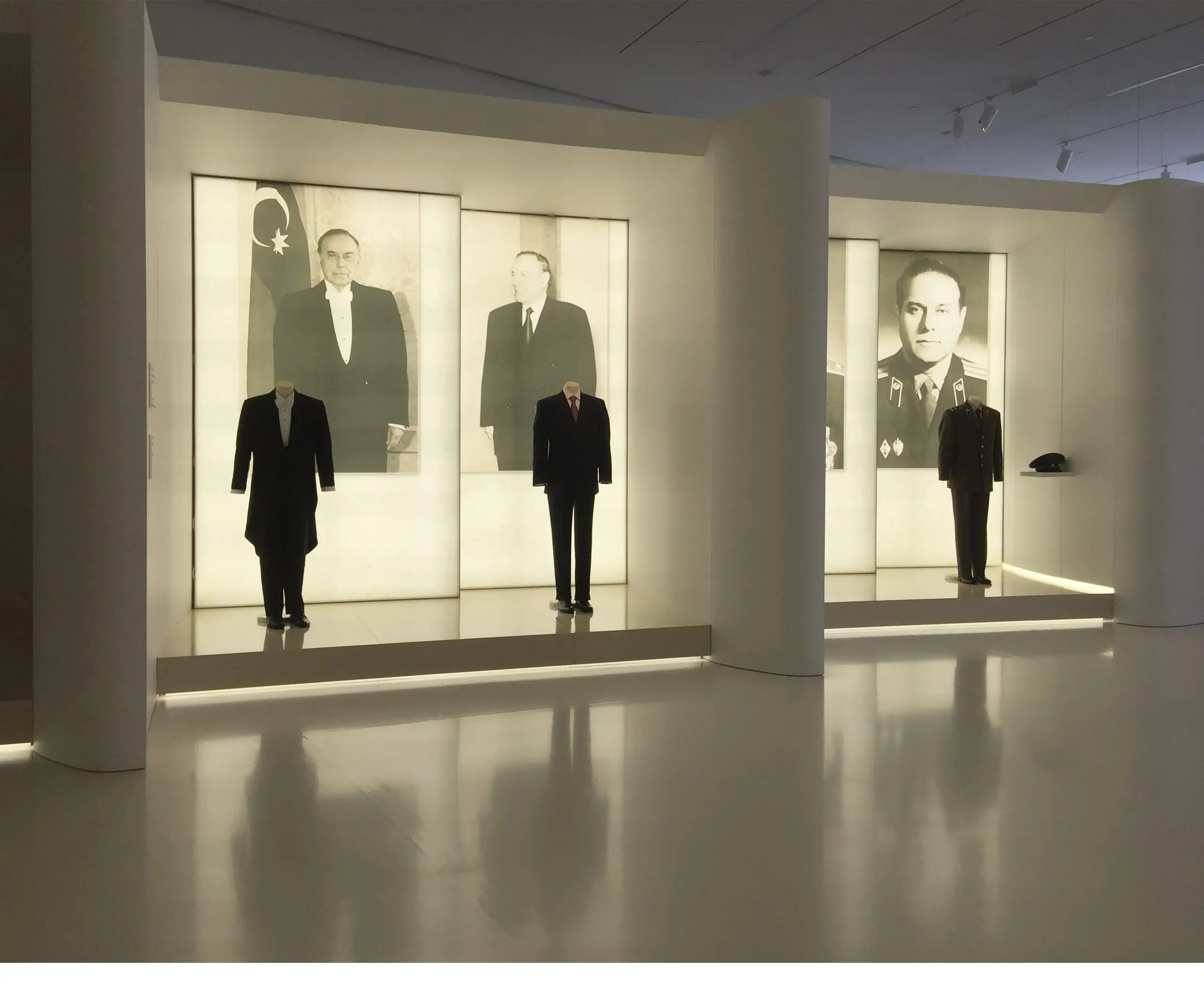
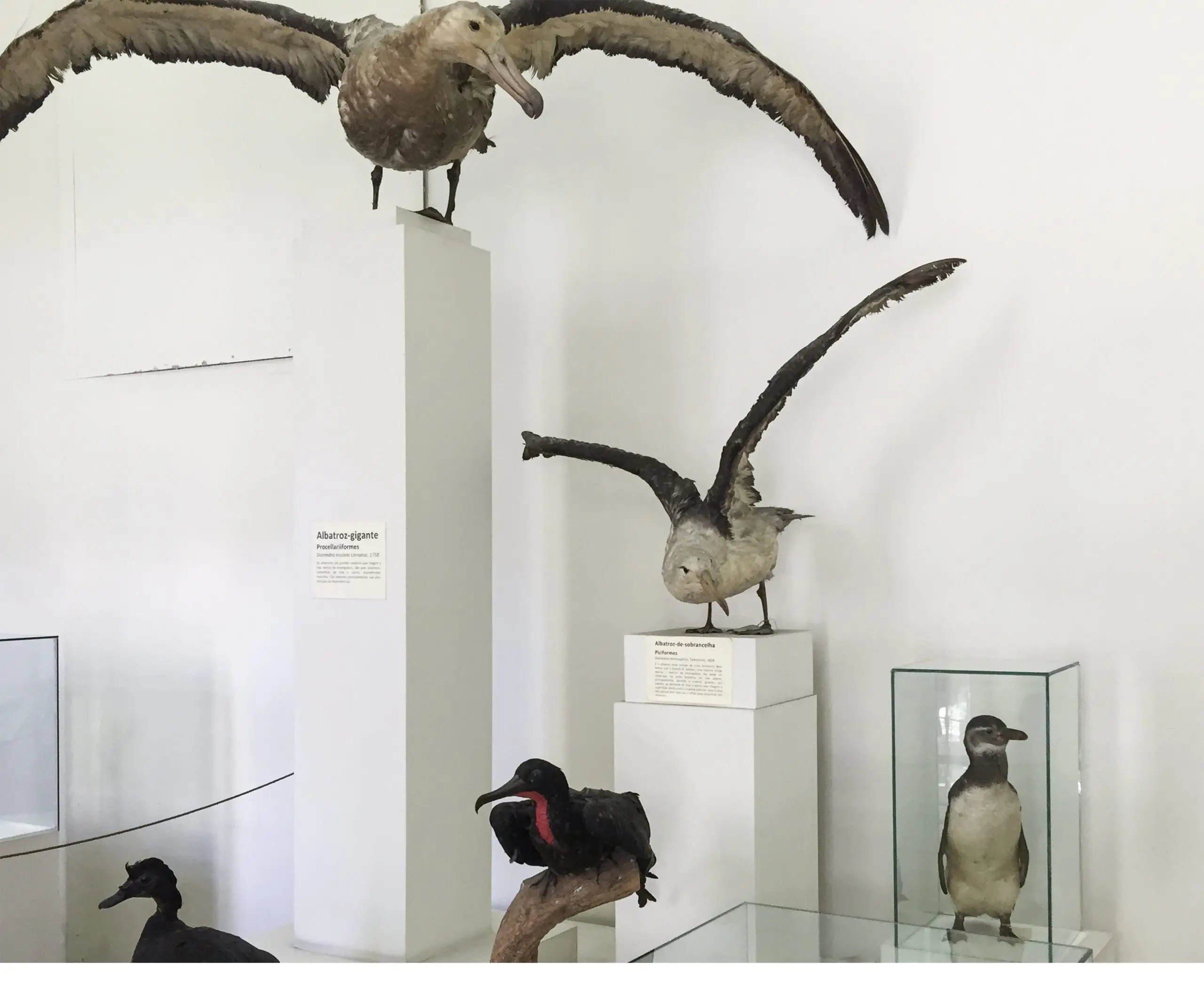
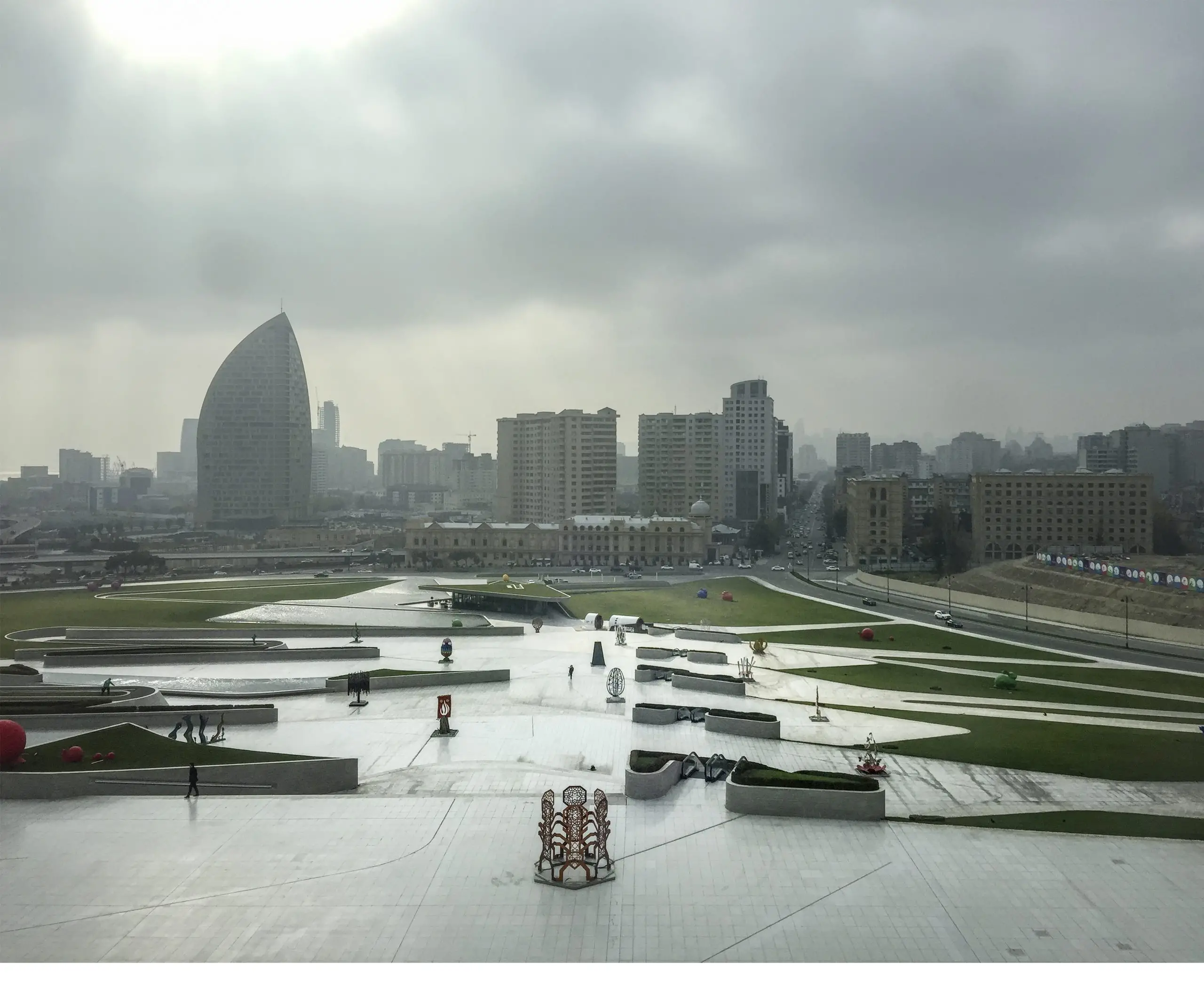
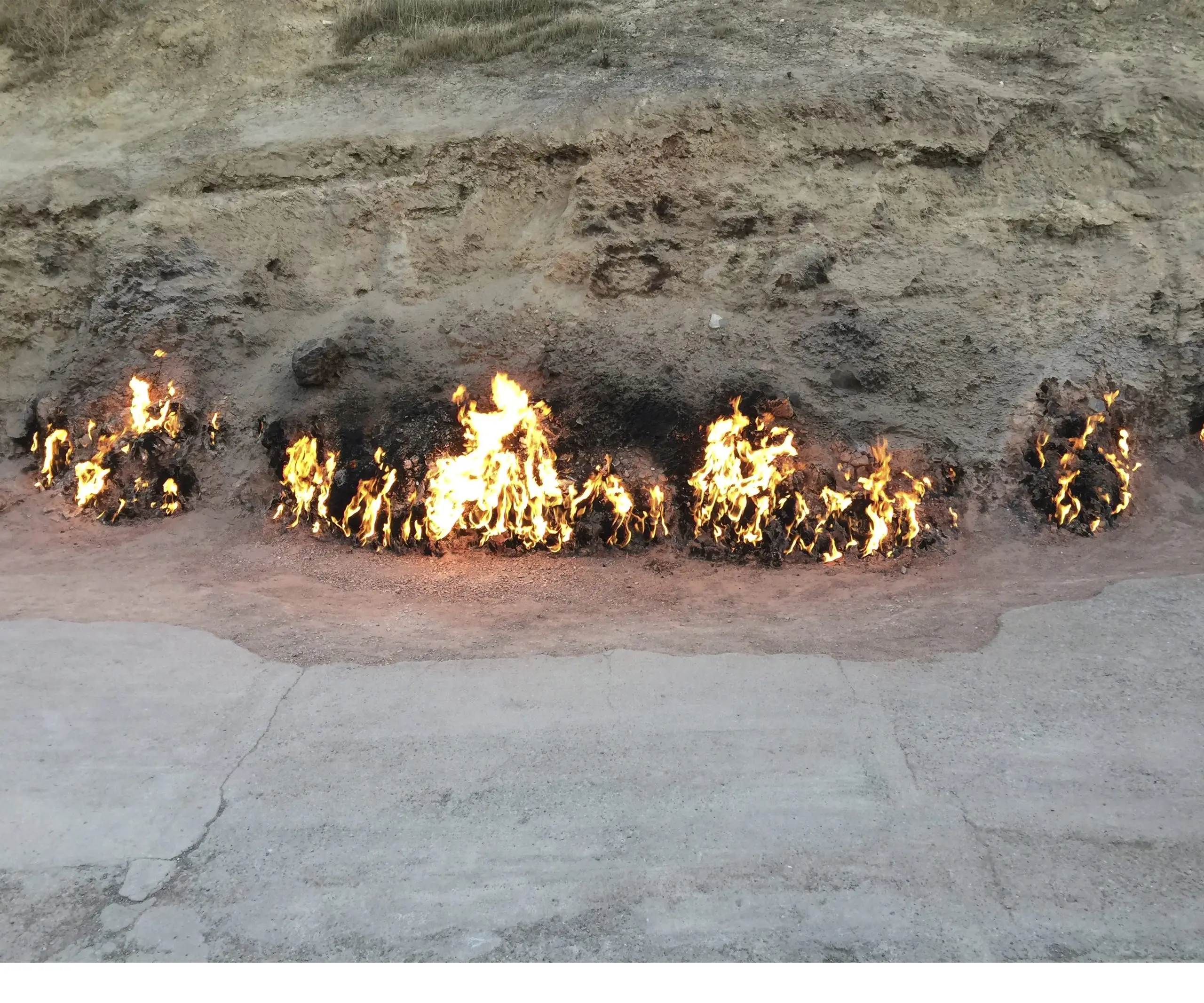
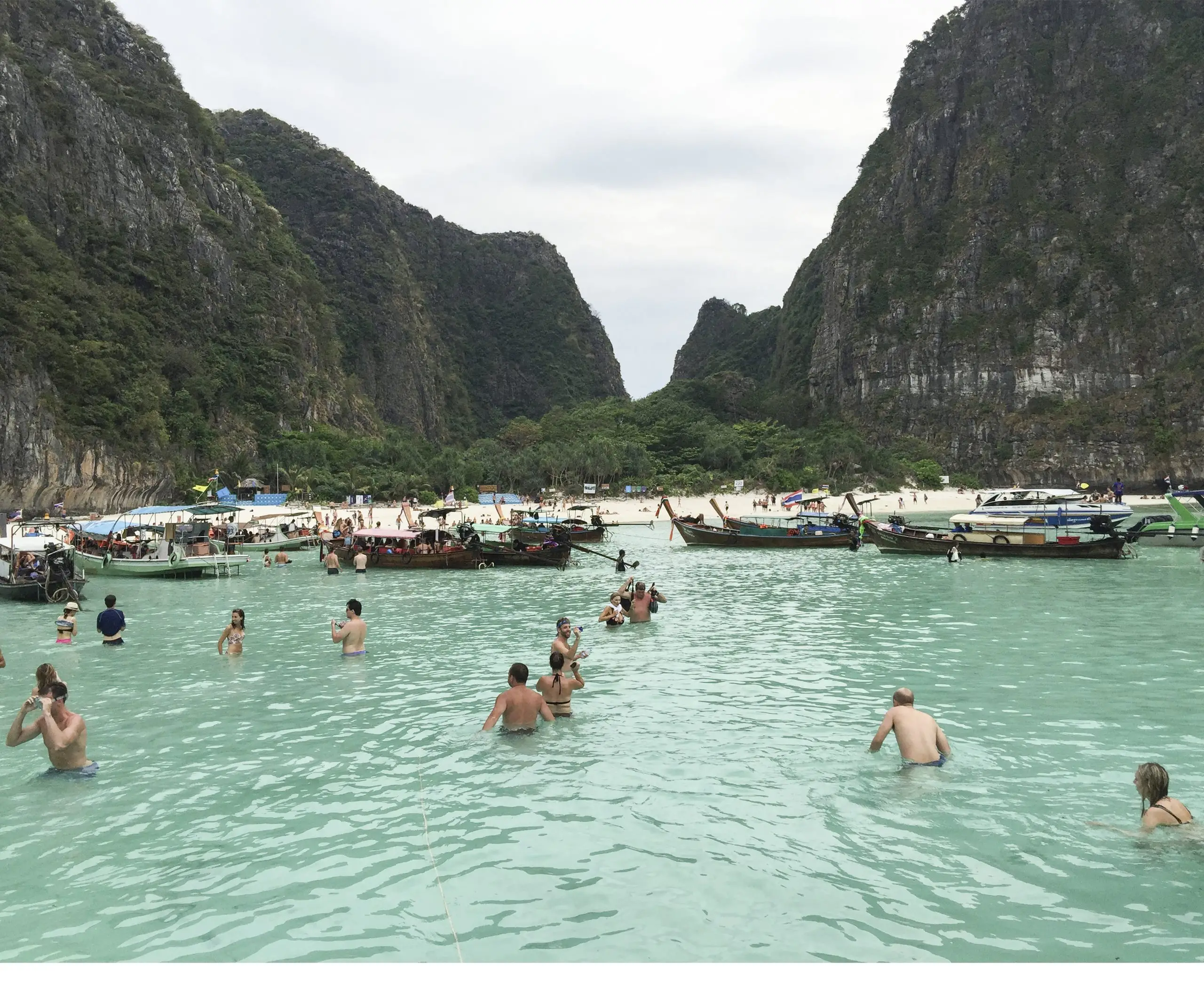
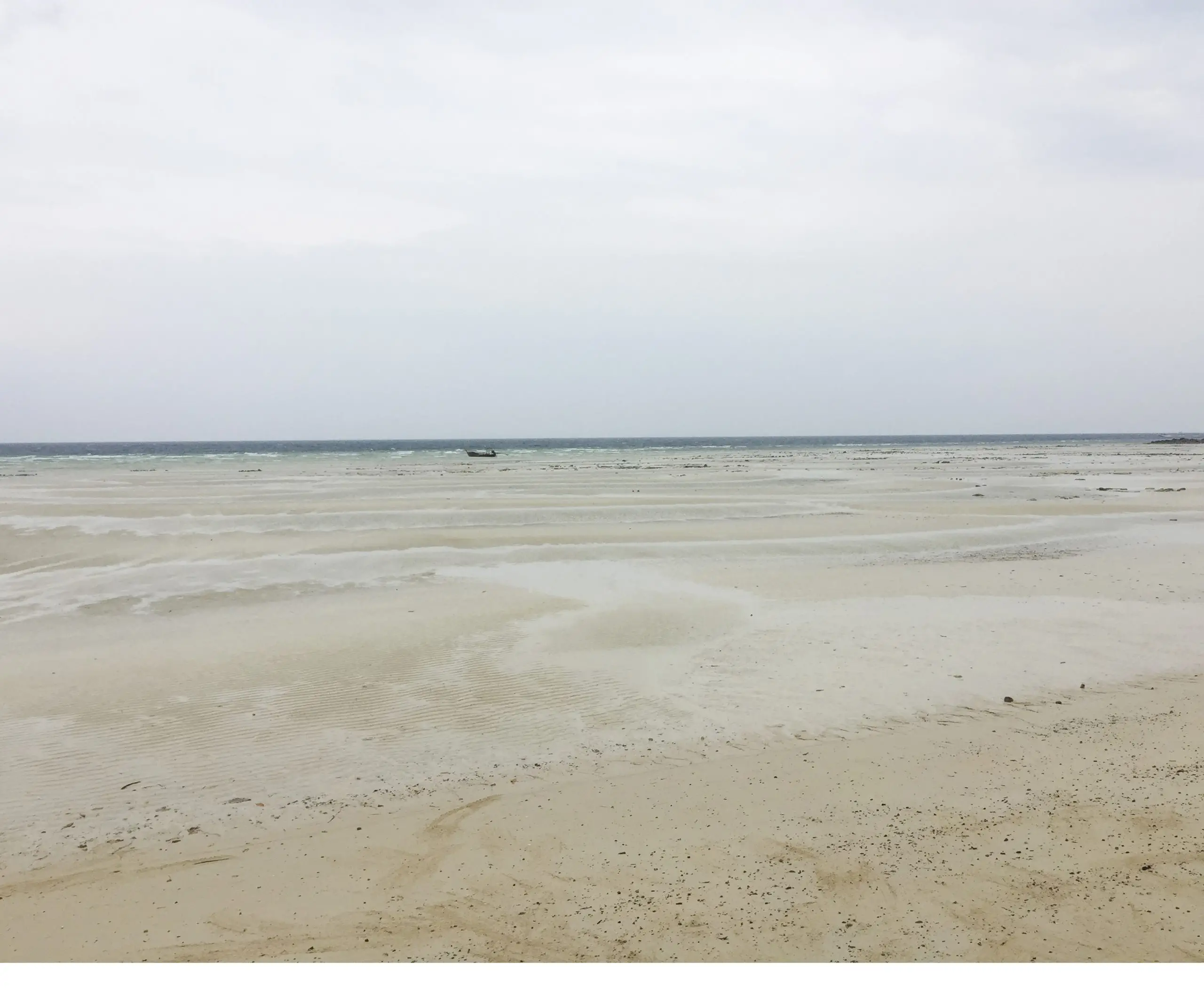
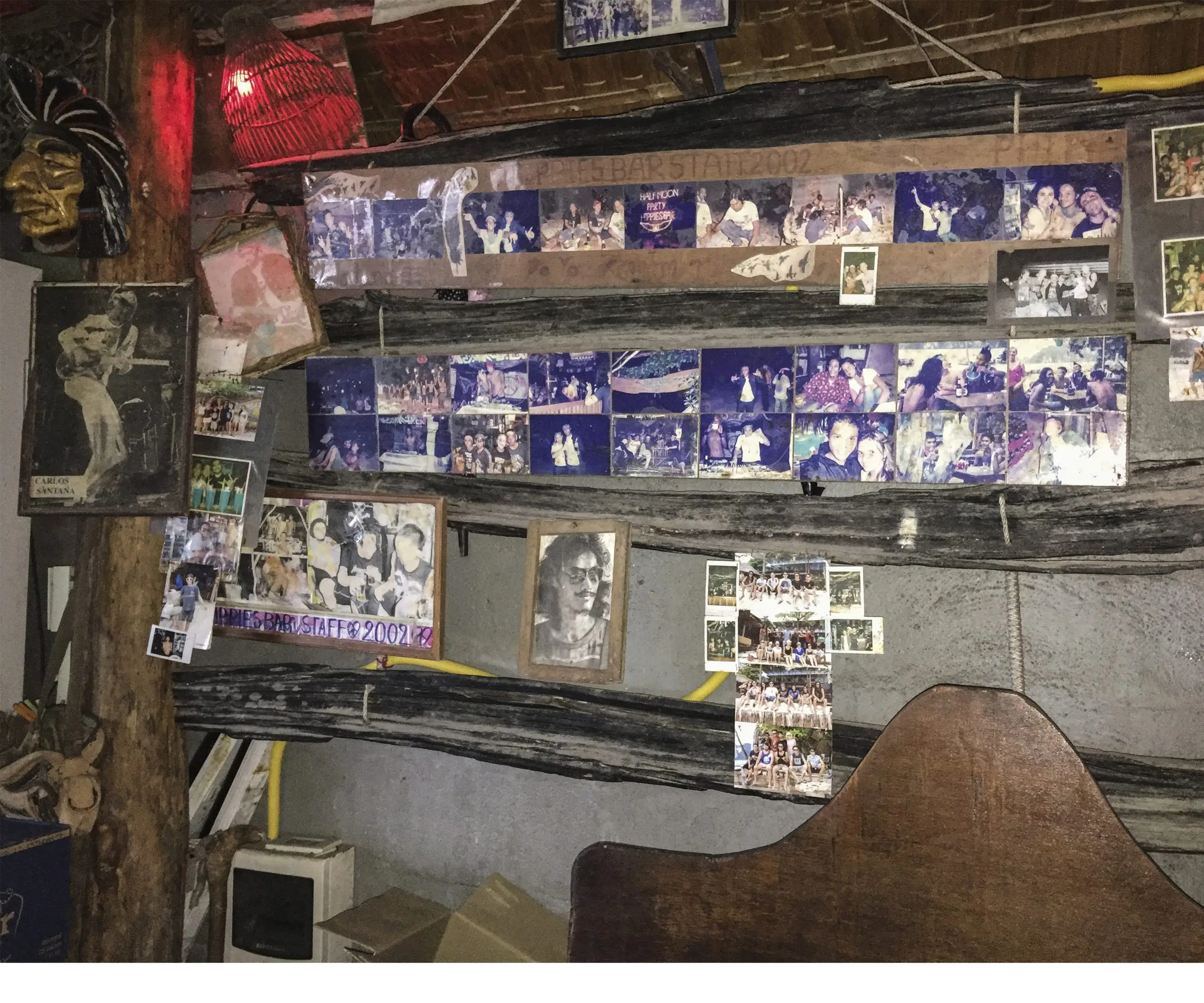
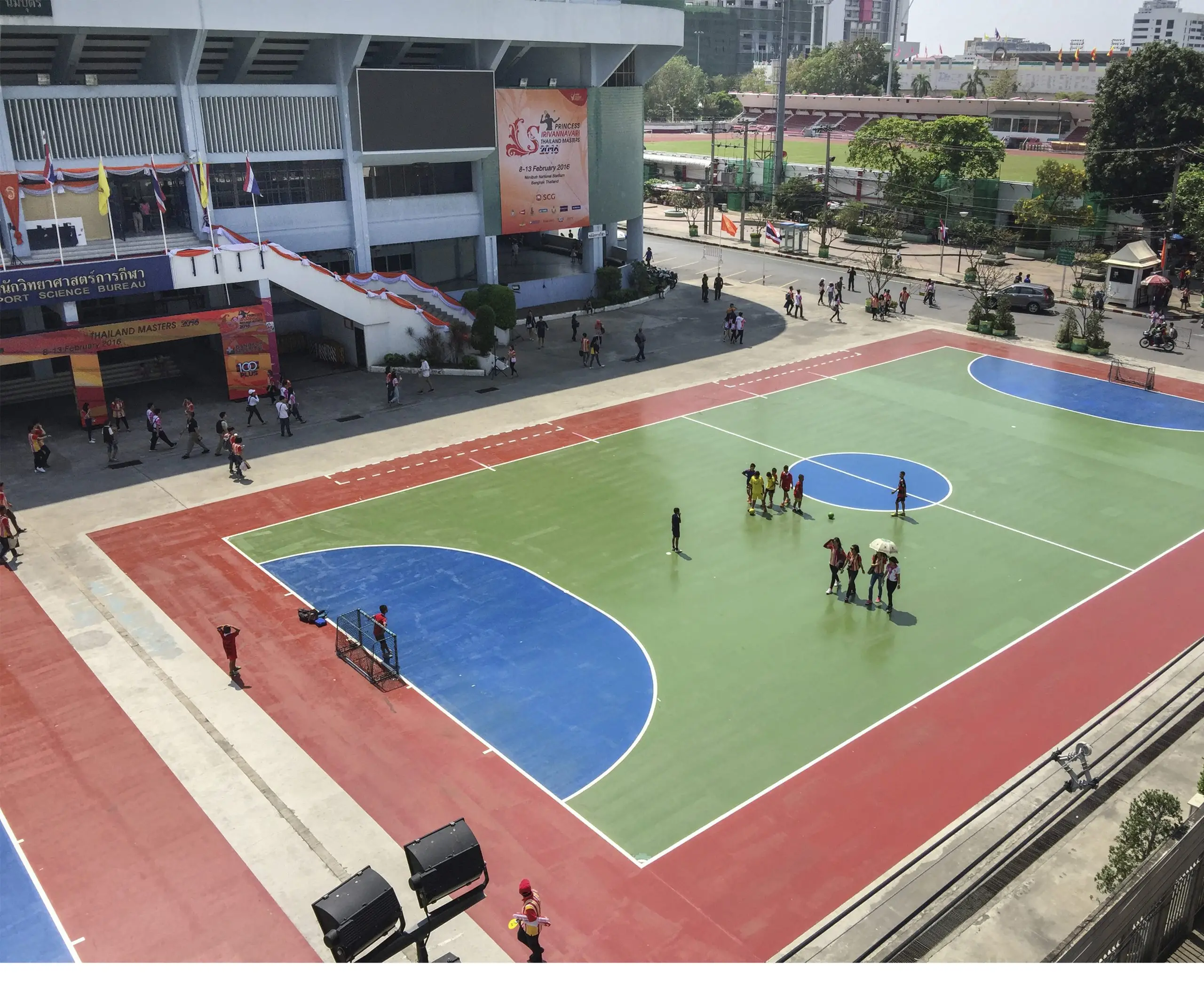
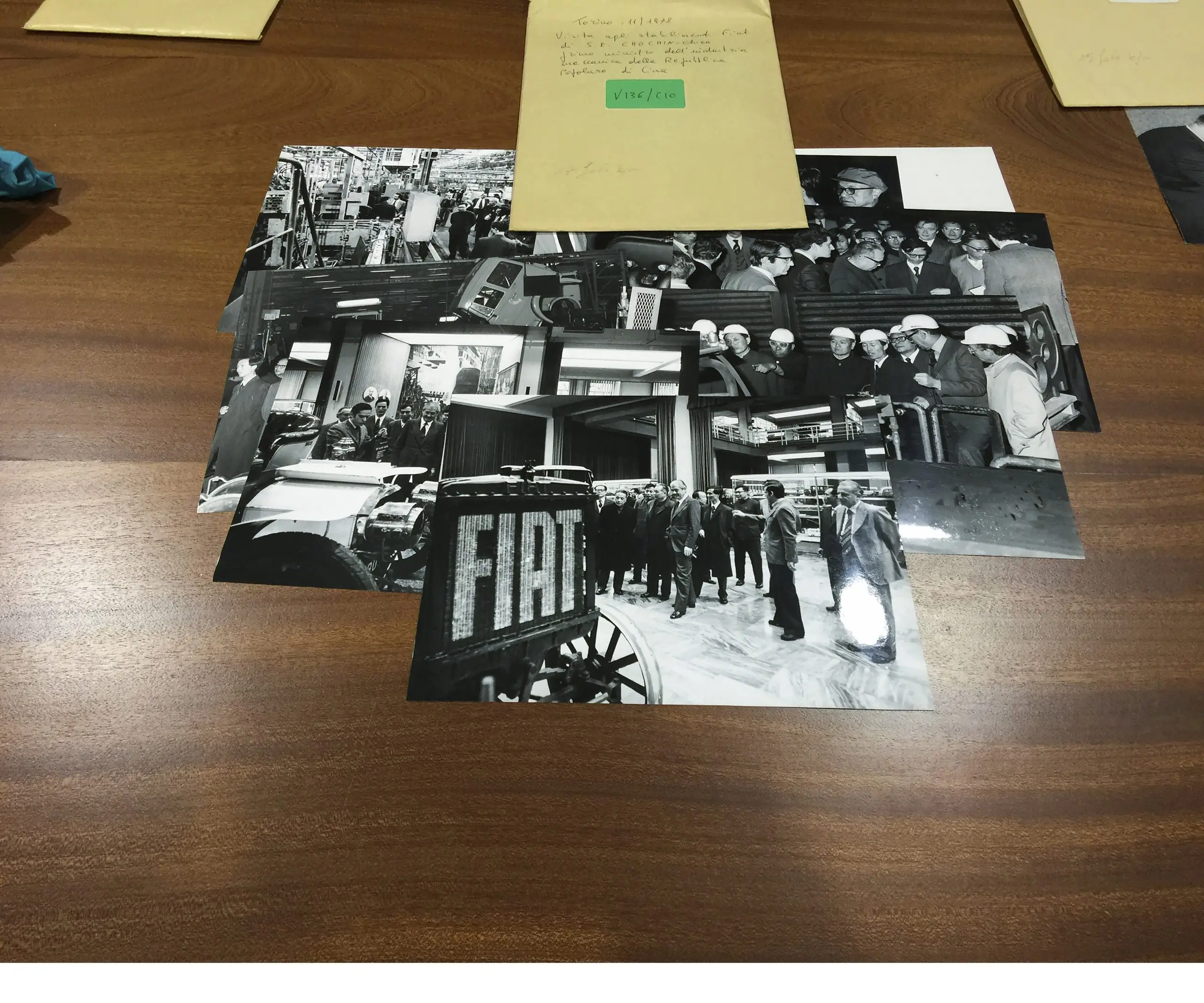
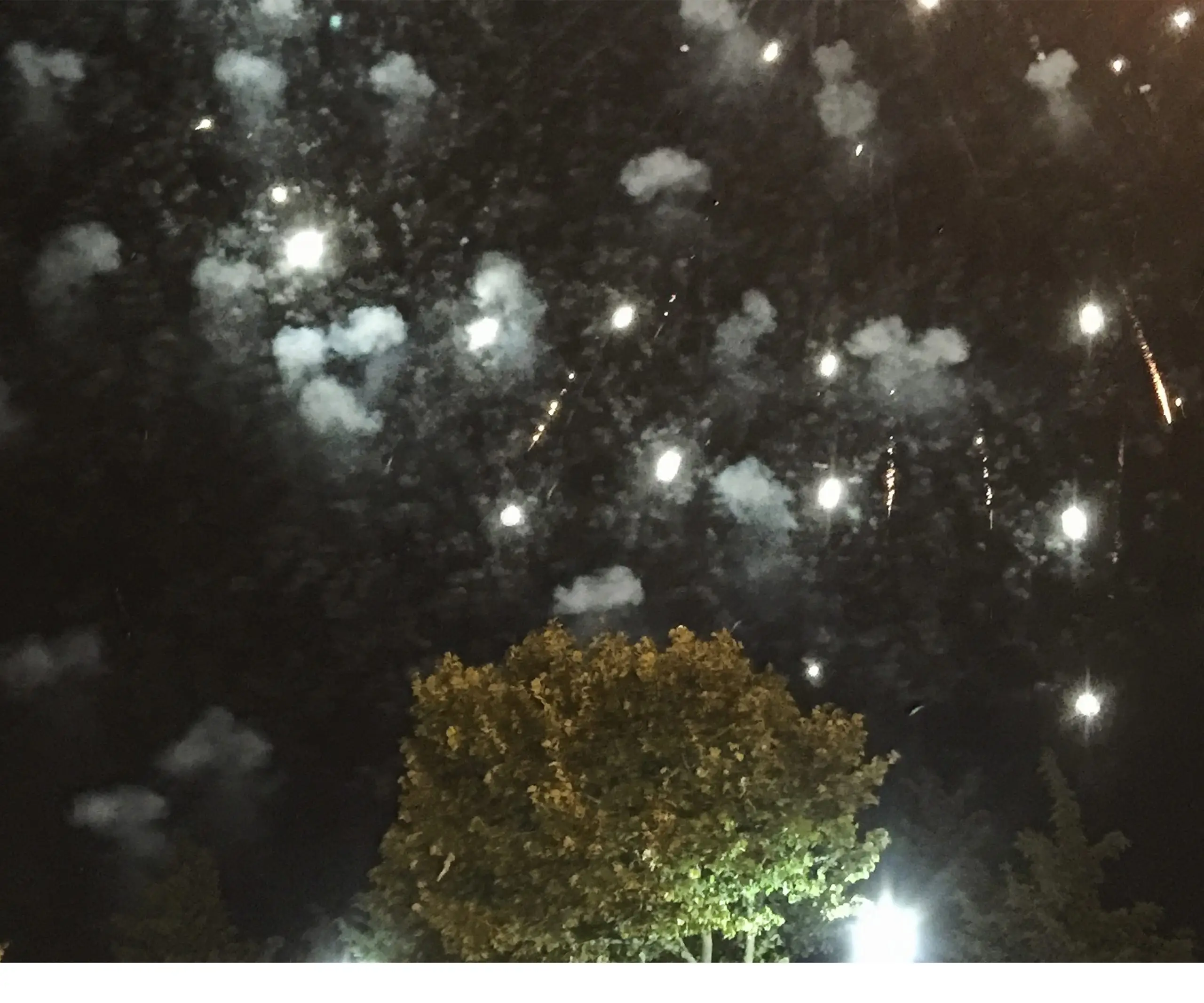
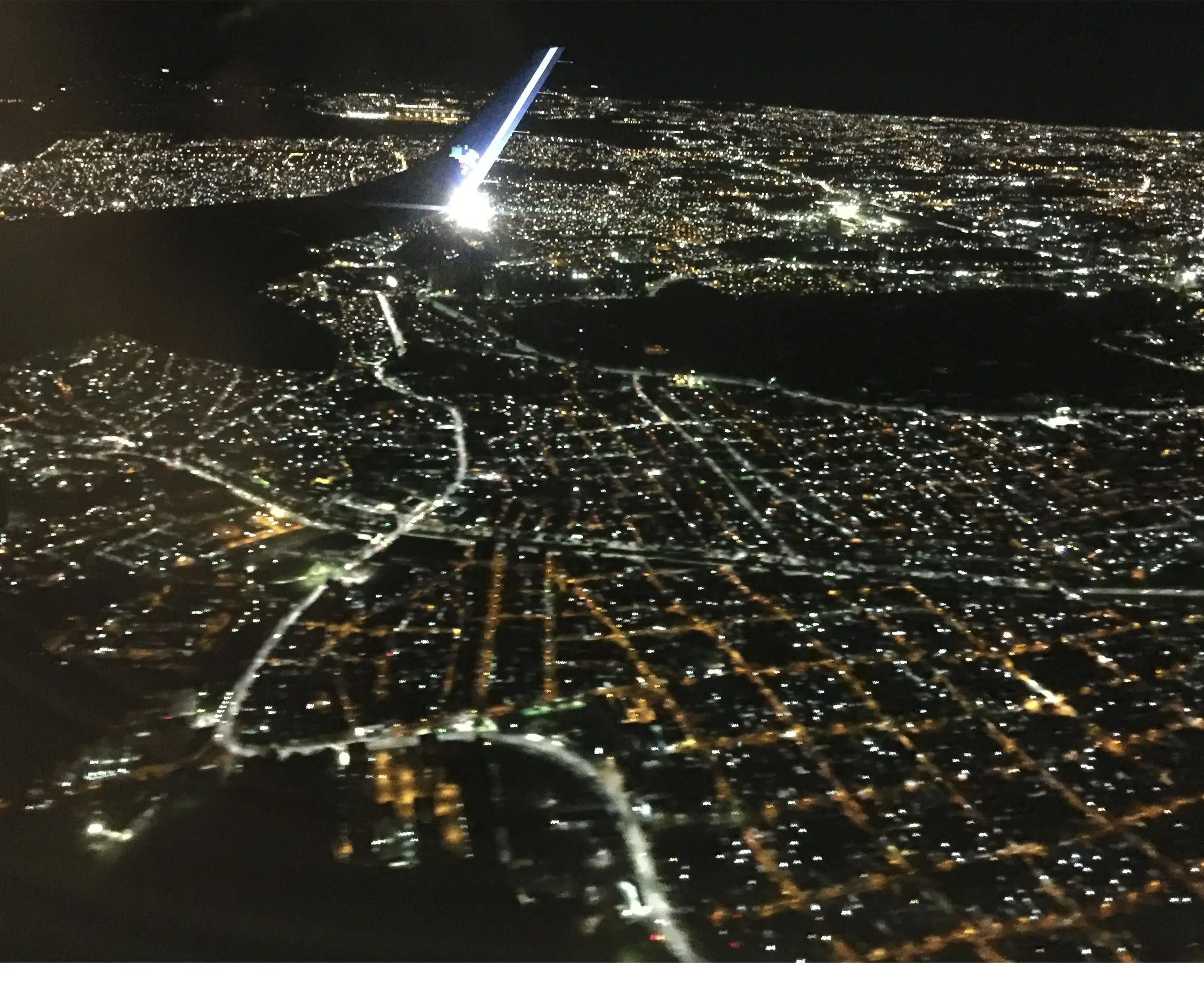
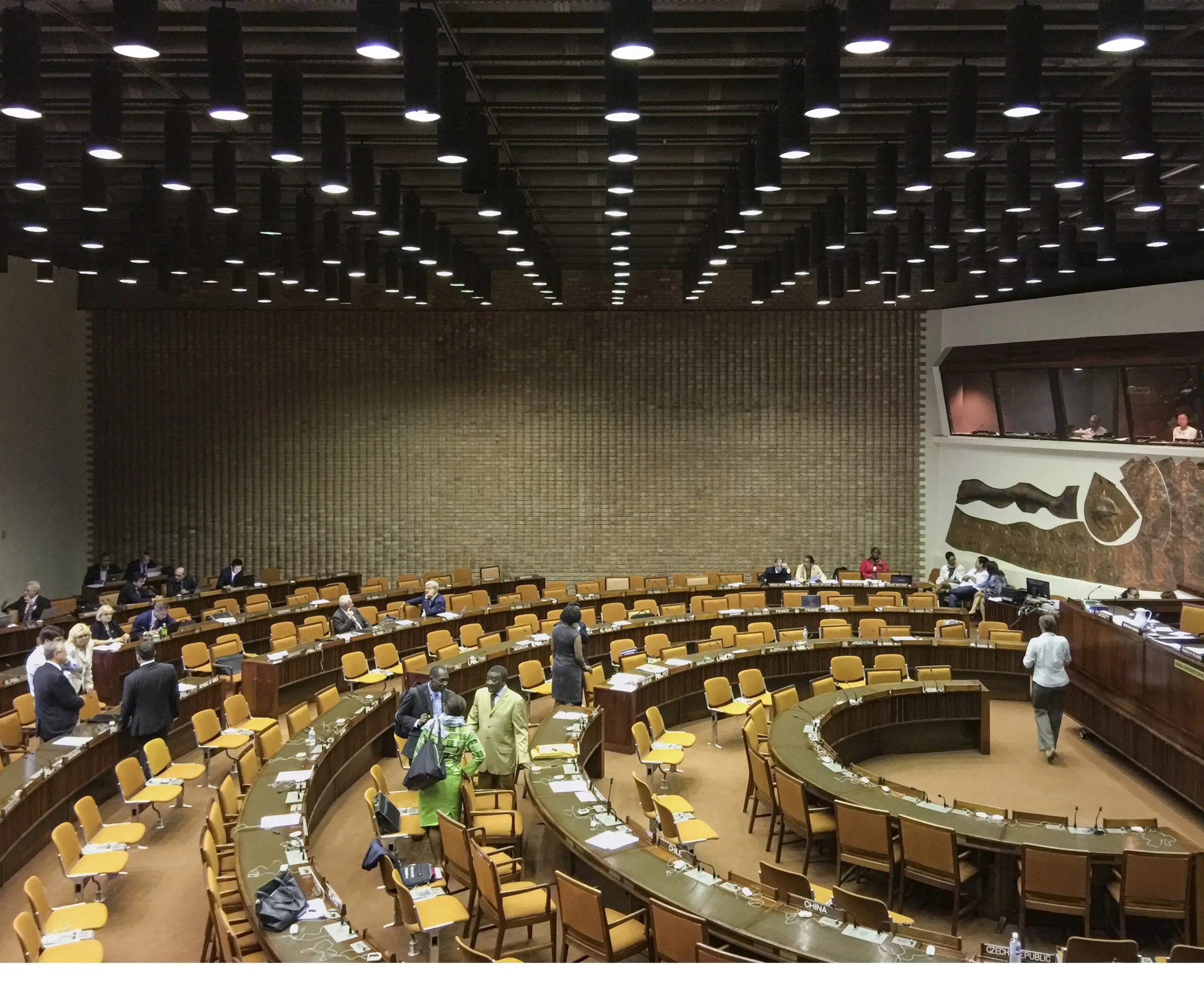
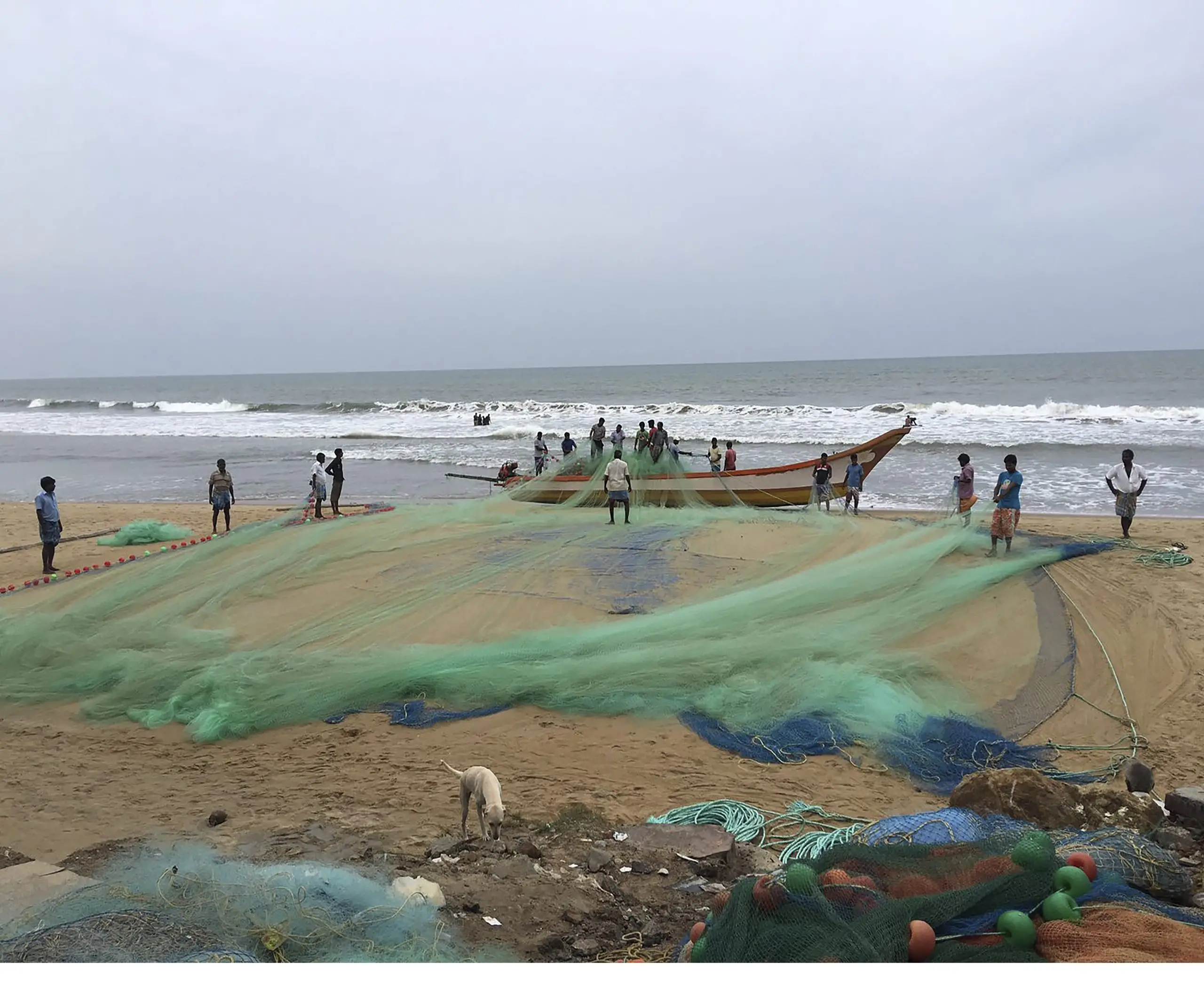
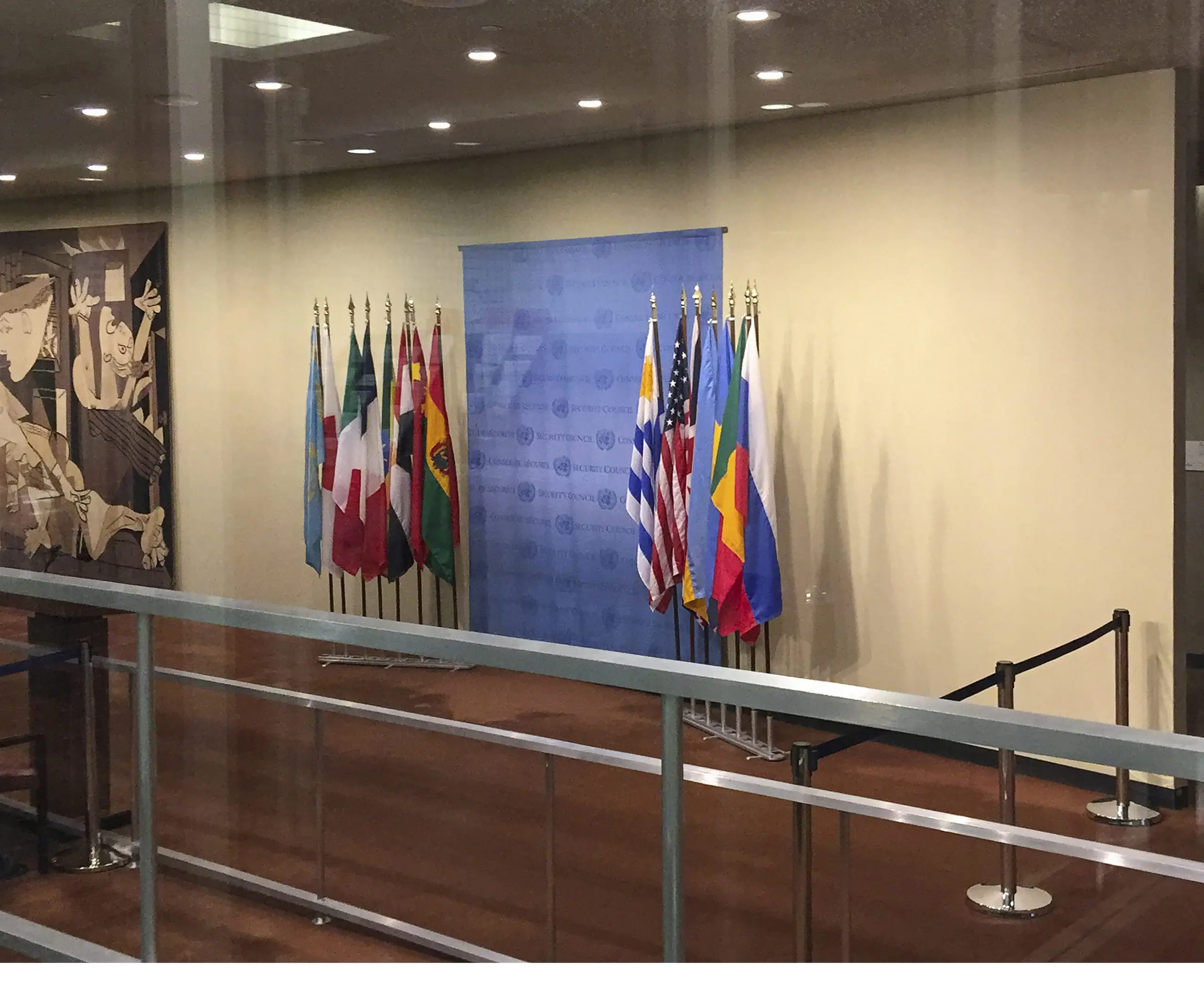
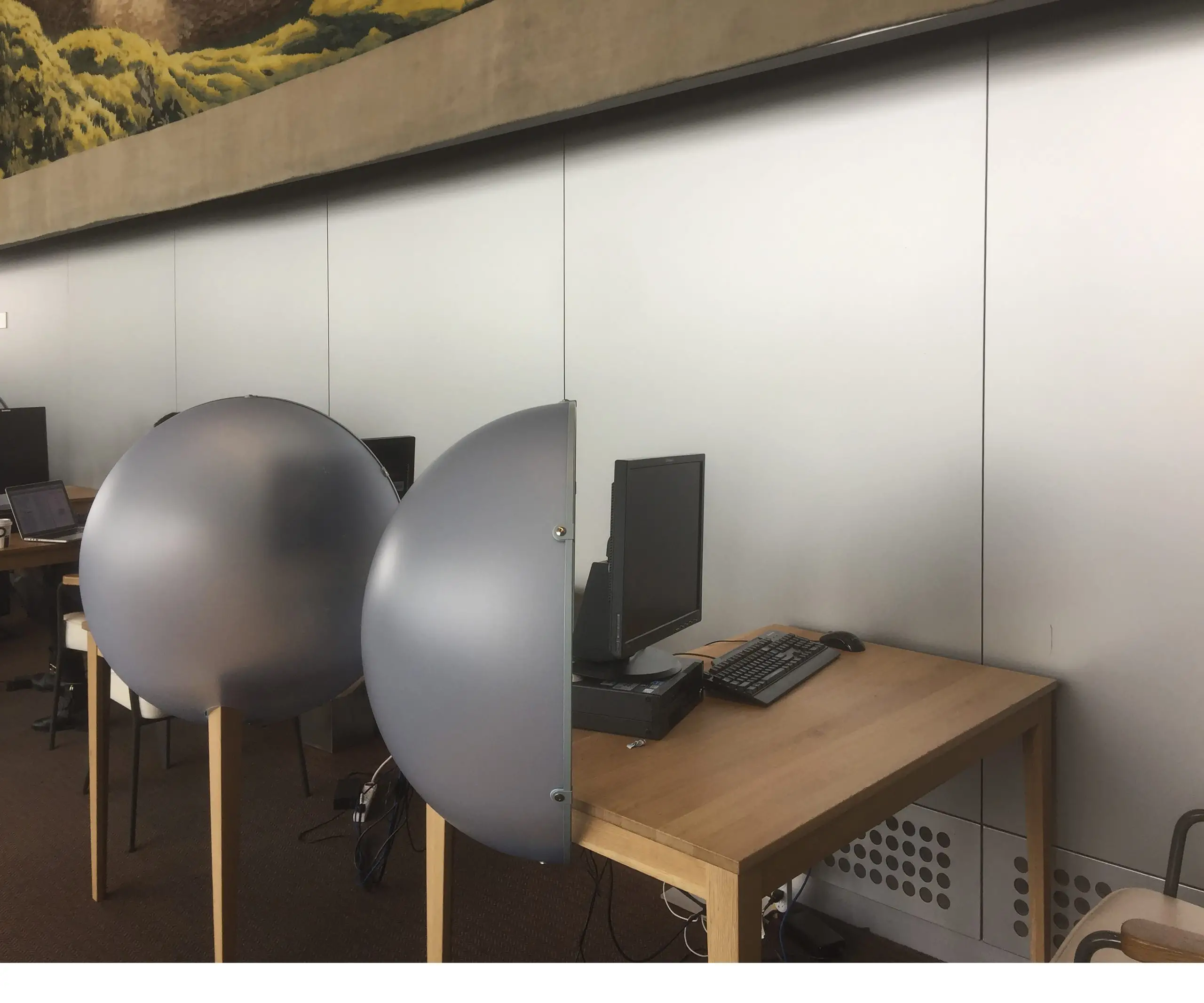
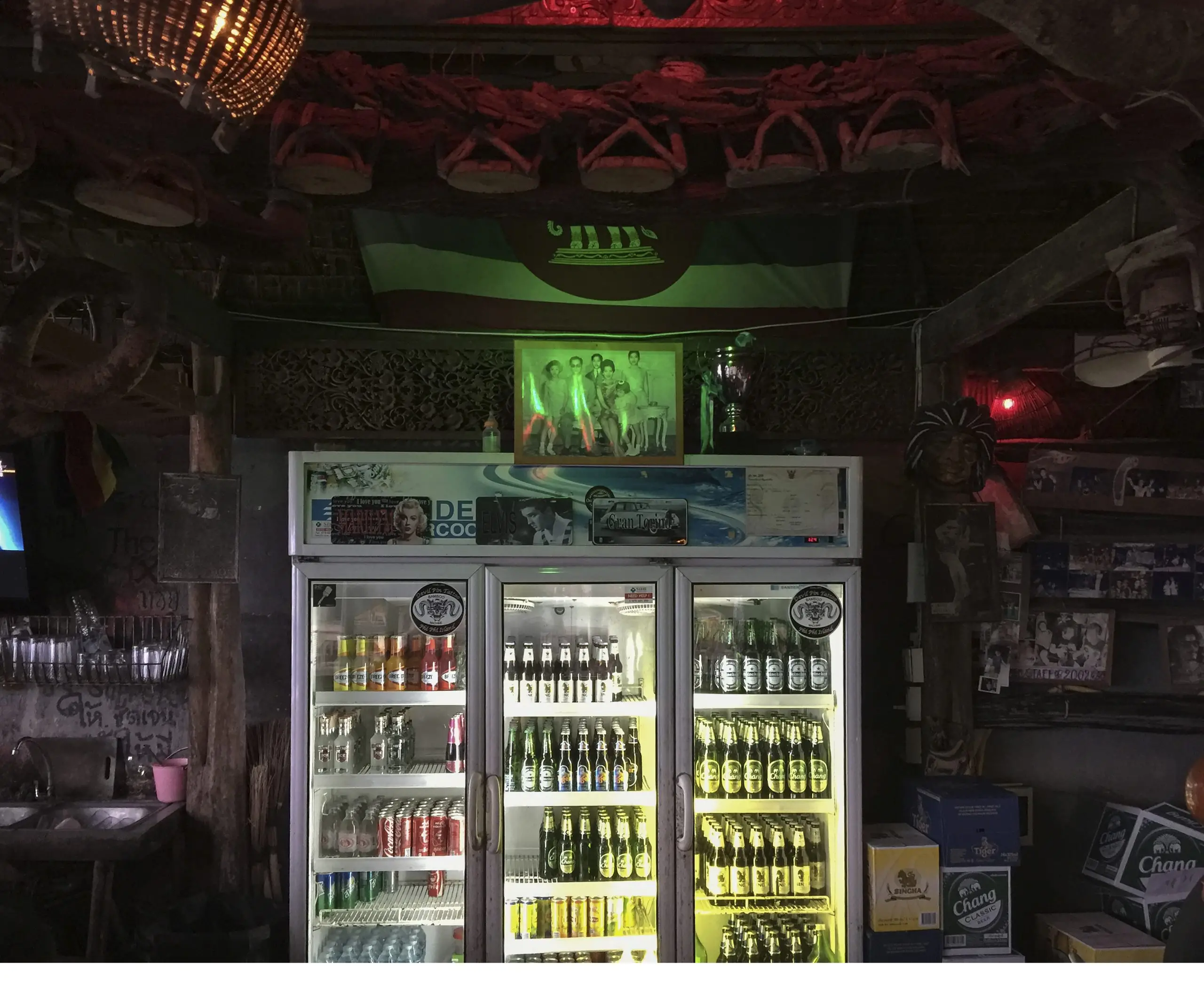
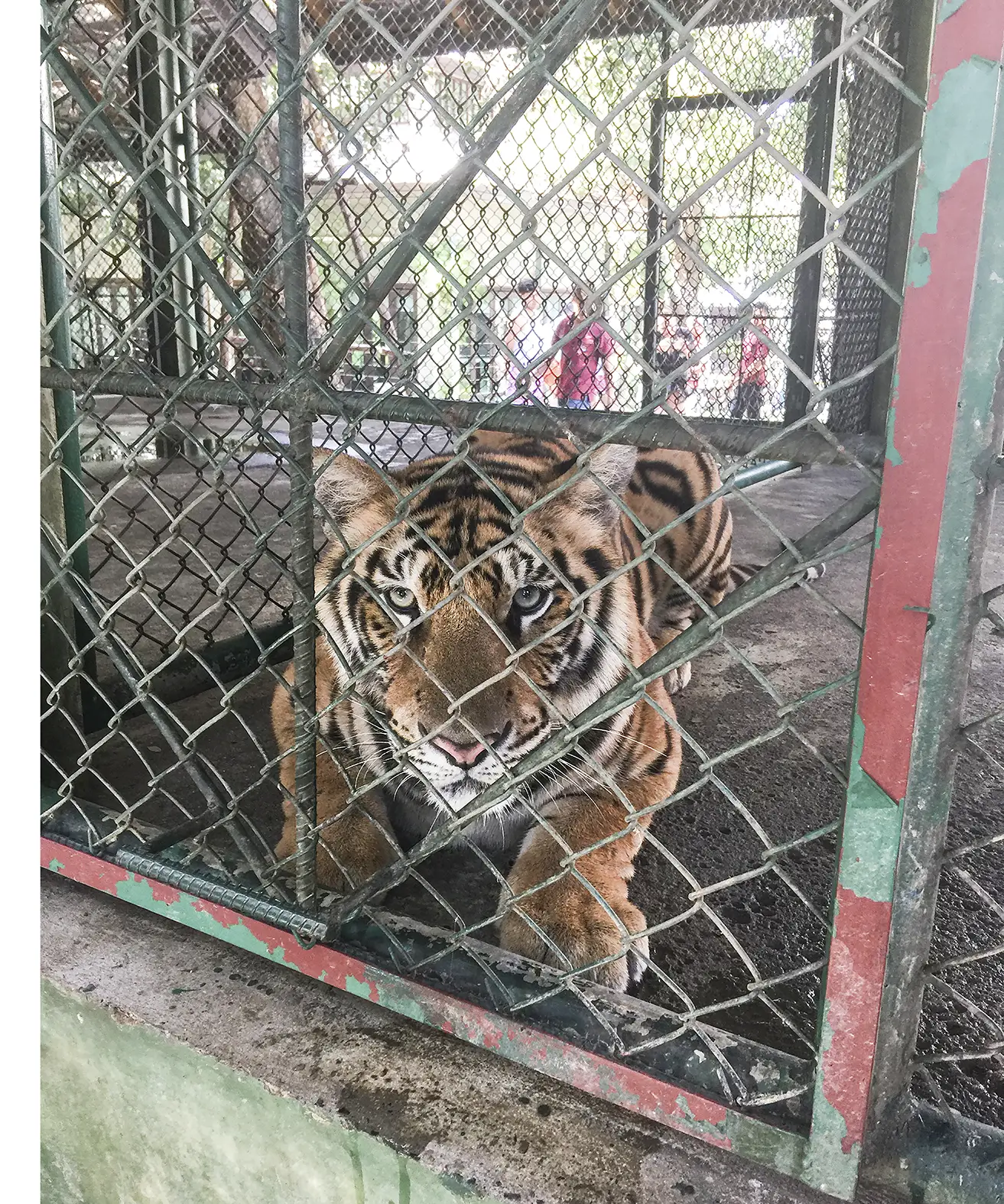
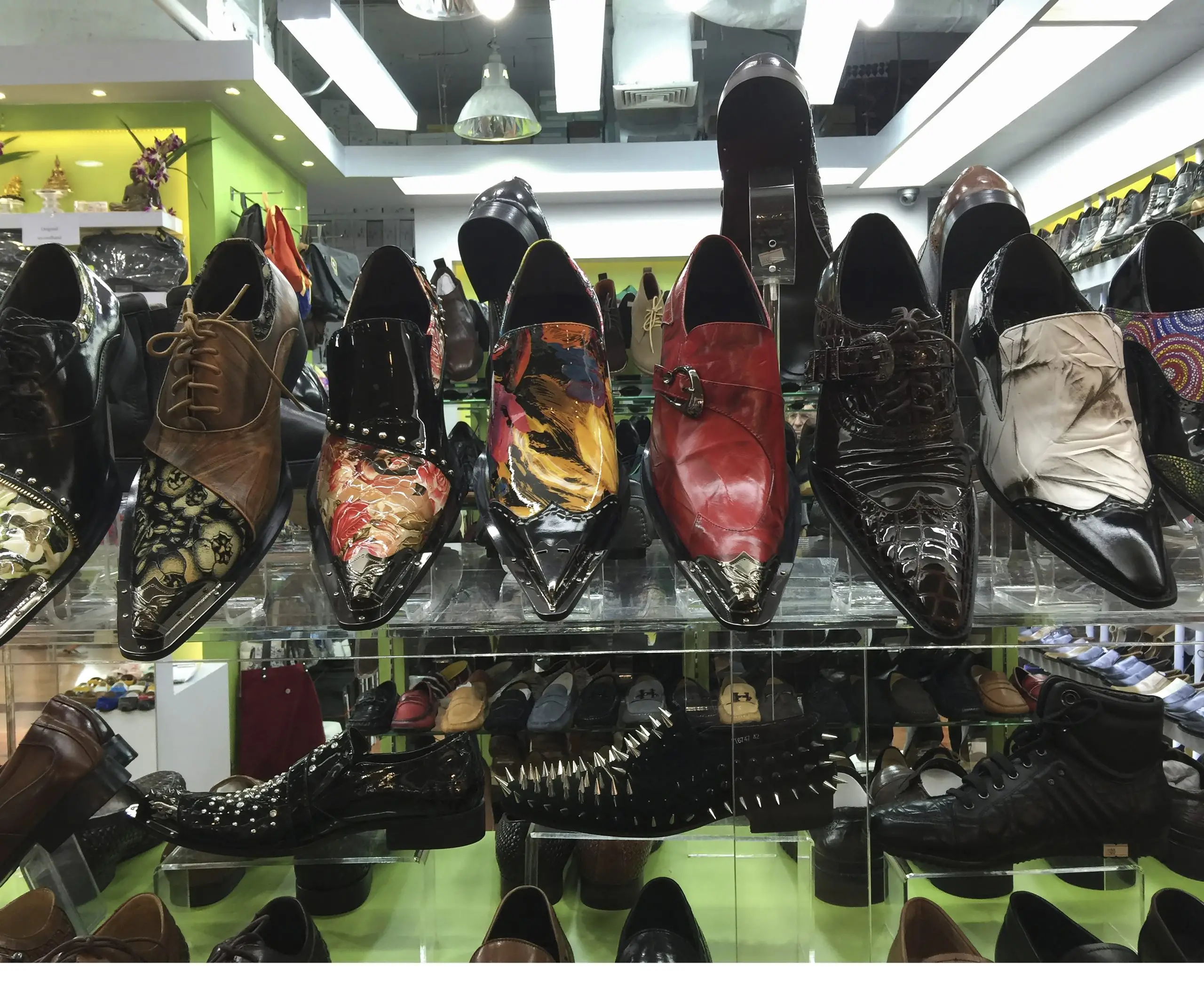
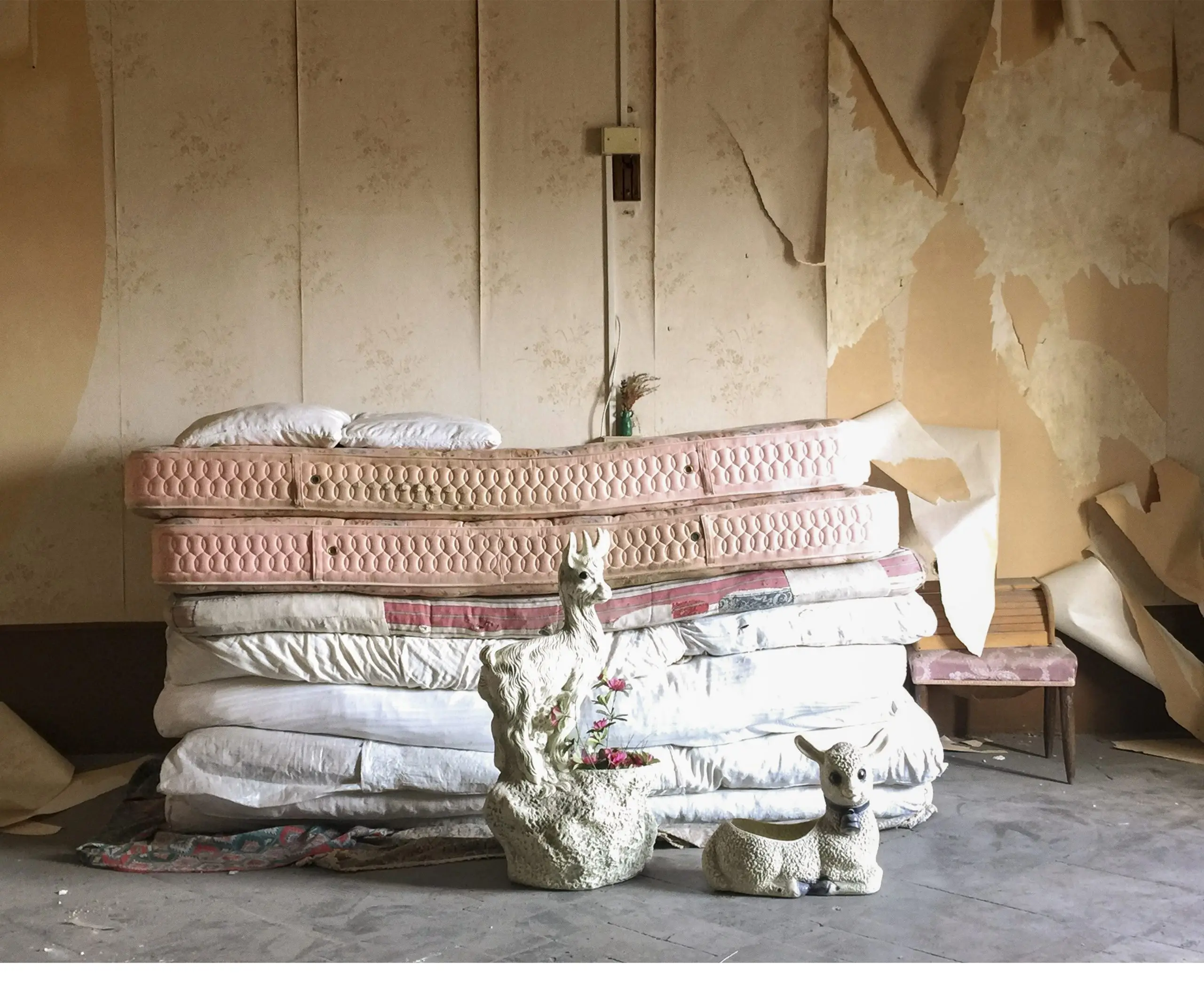
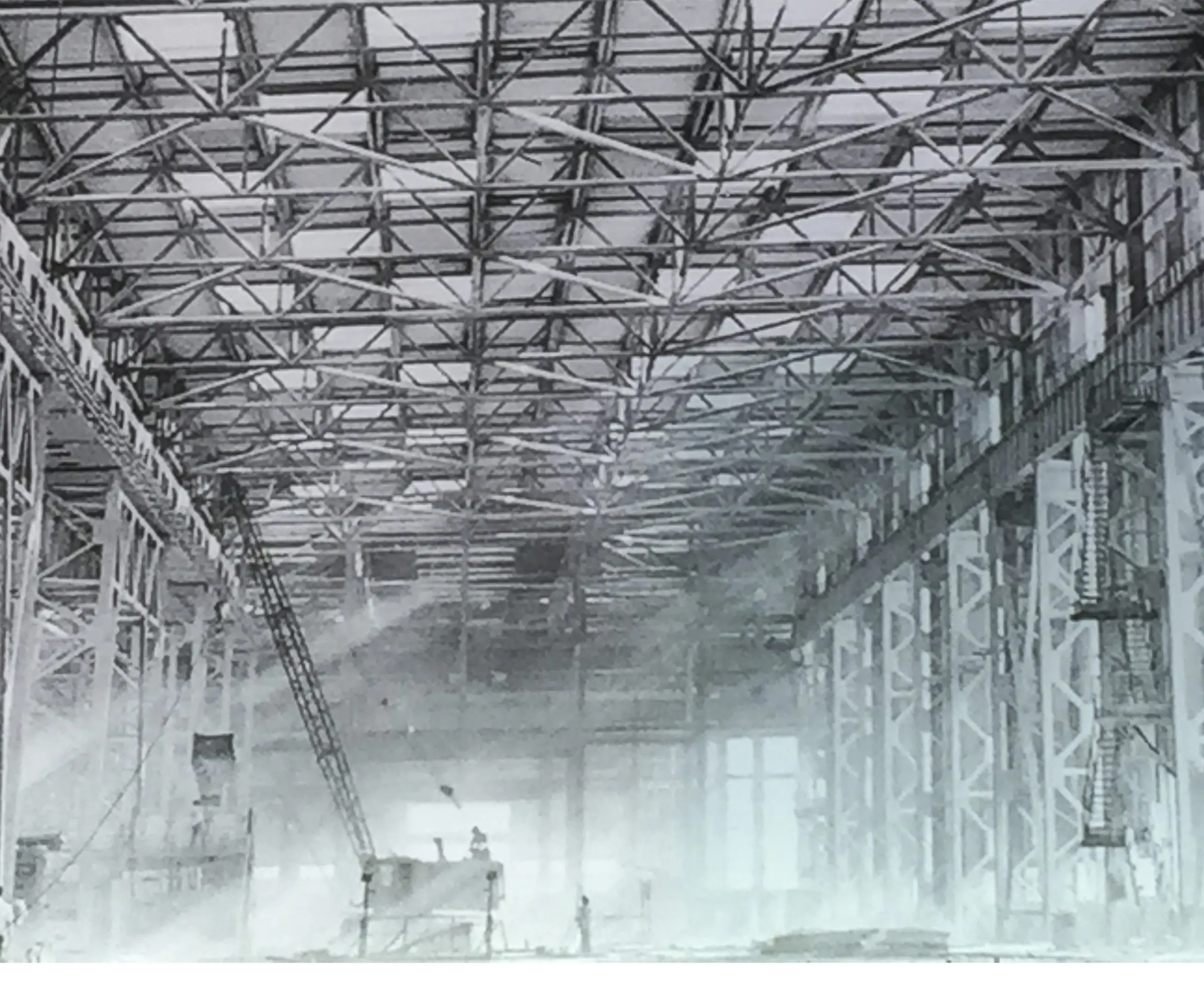
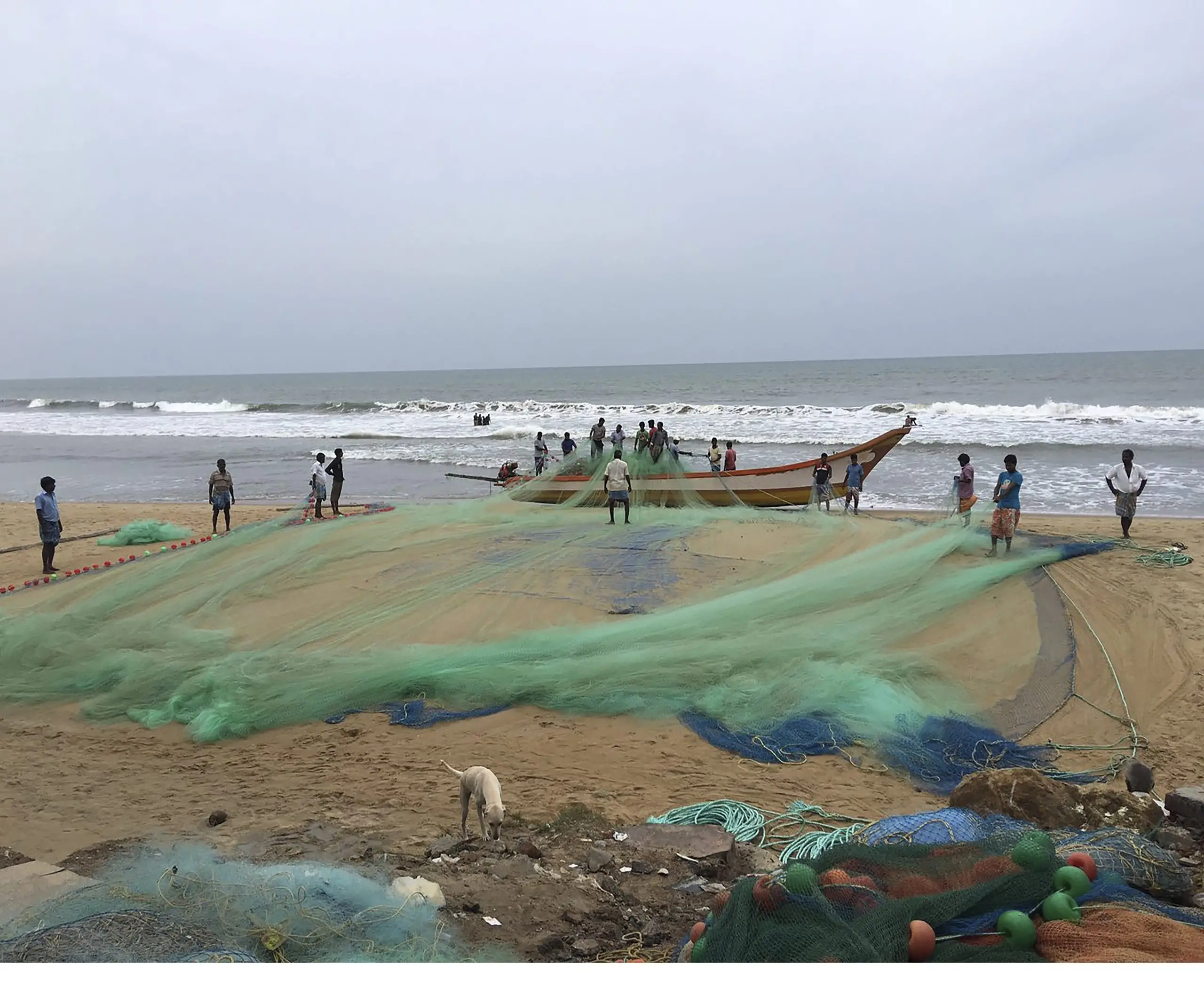
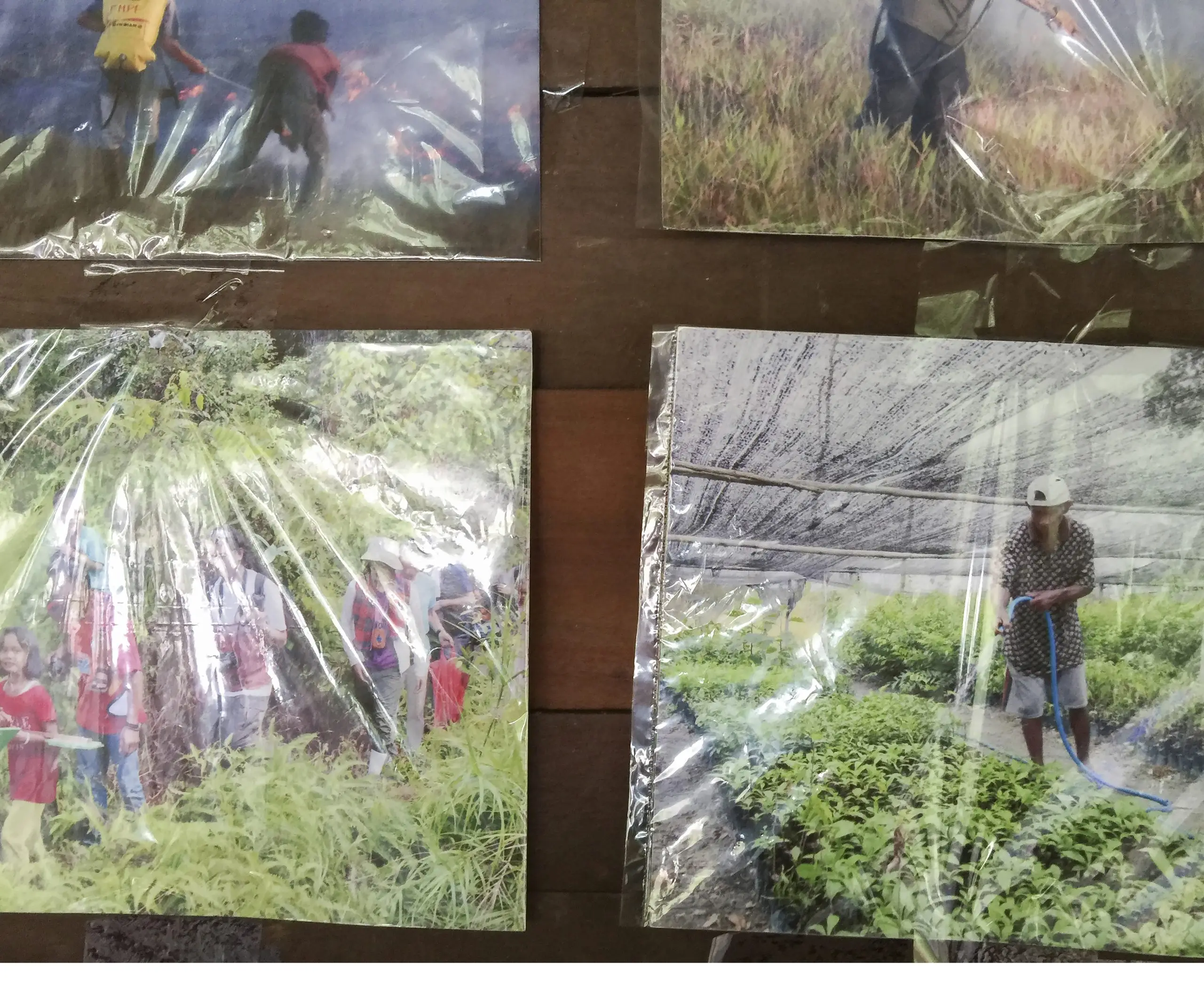
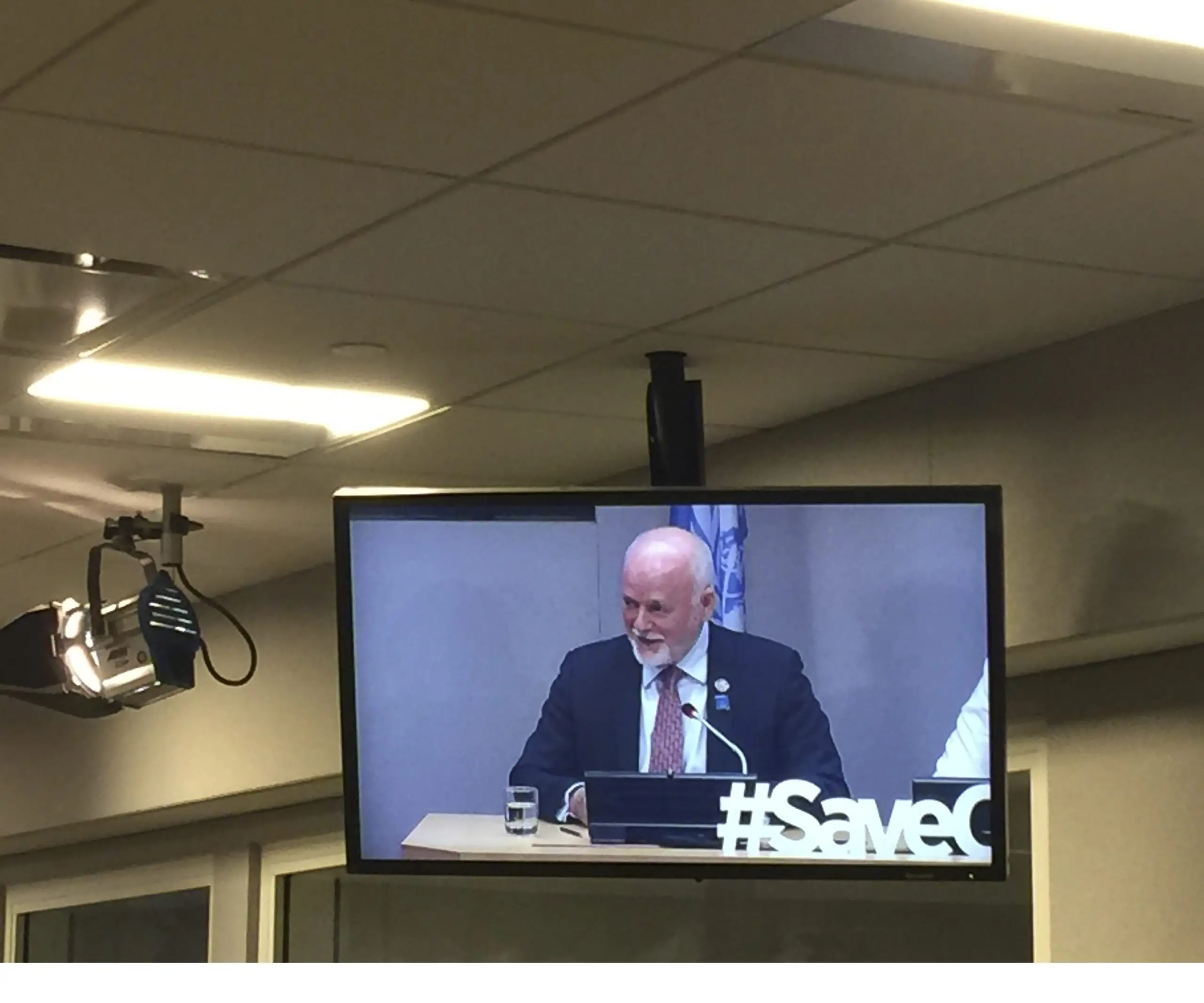
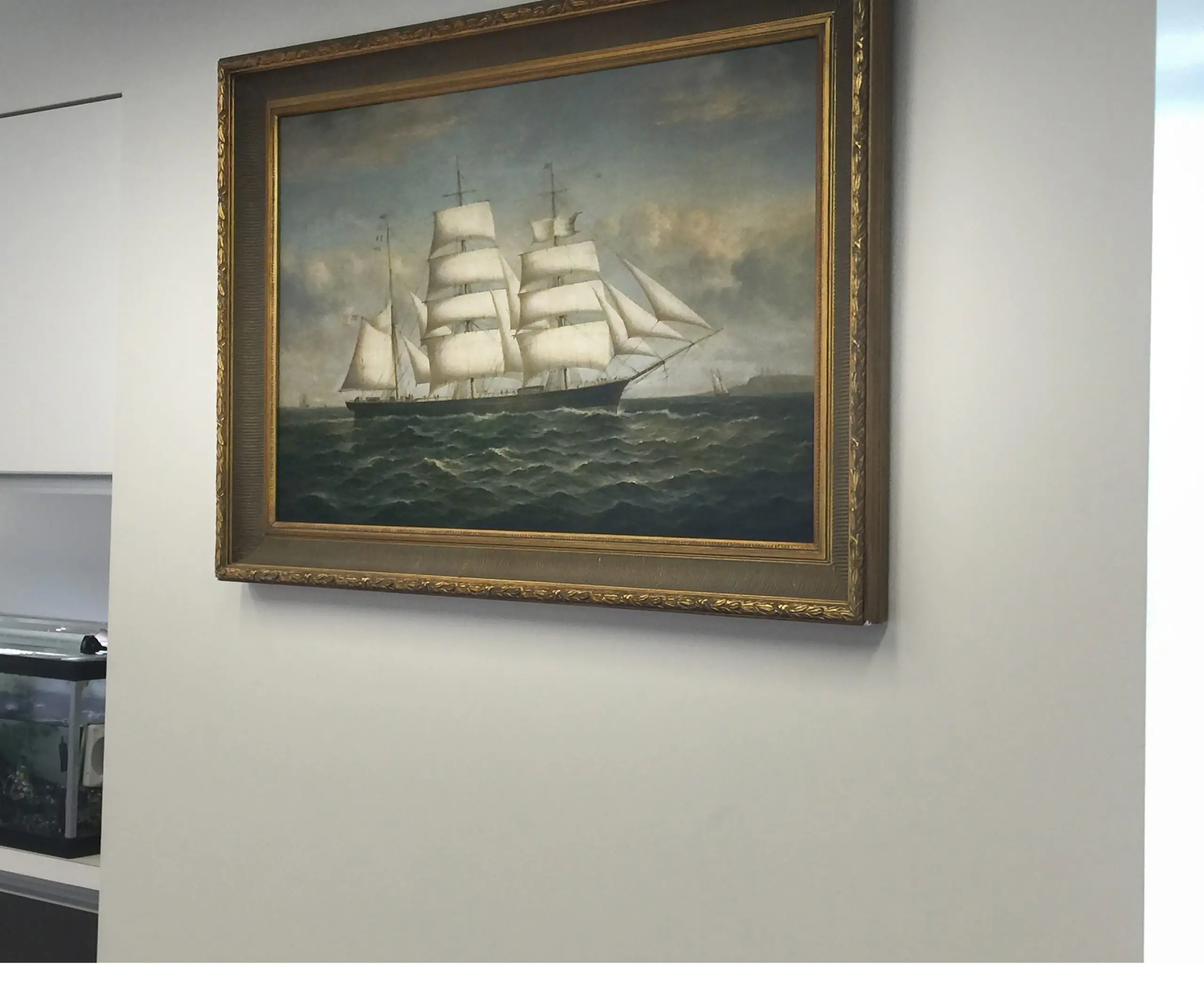
My archive brings together photographs produced in every possible way: fragments of places, bodies, and lived experience. I understand image-making as a practice of attention, grounded in the belief that things acquire value only through the time spent to know them, to recognize them, and to remain with them.
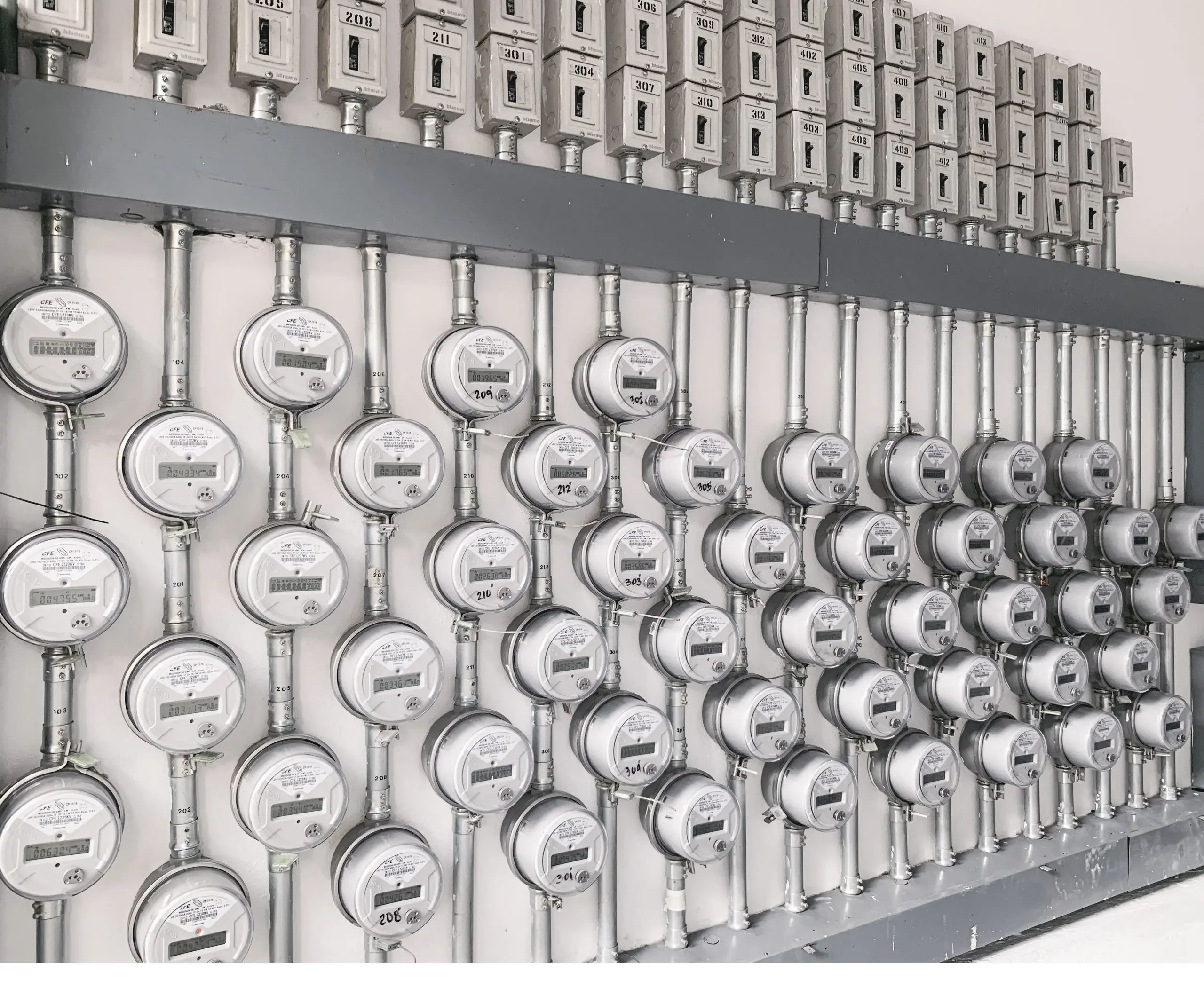
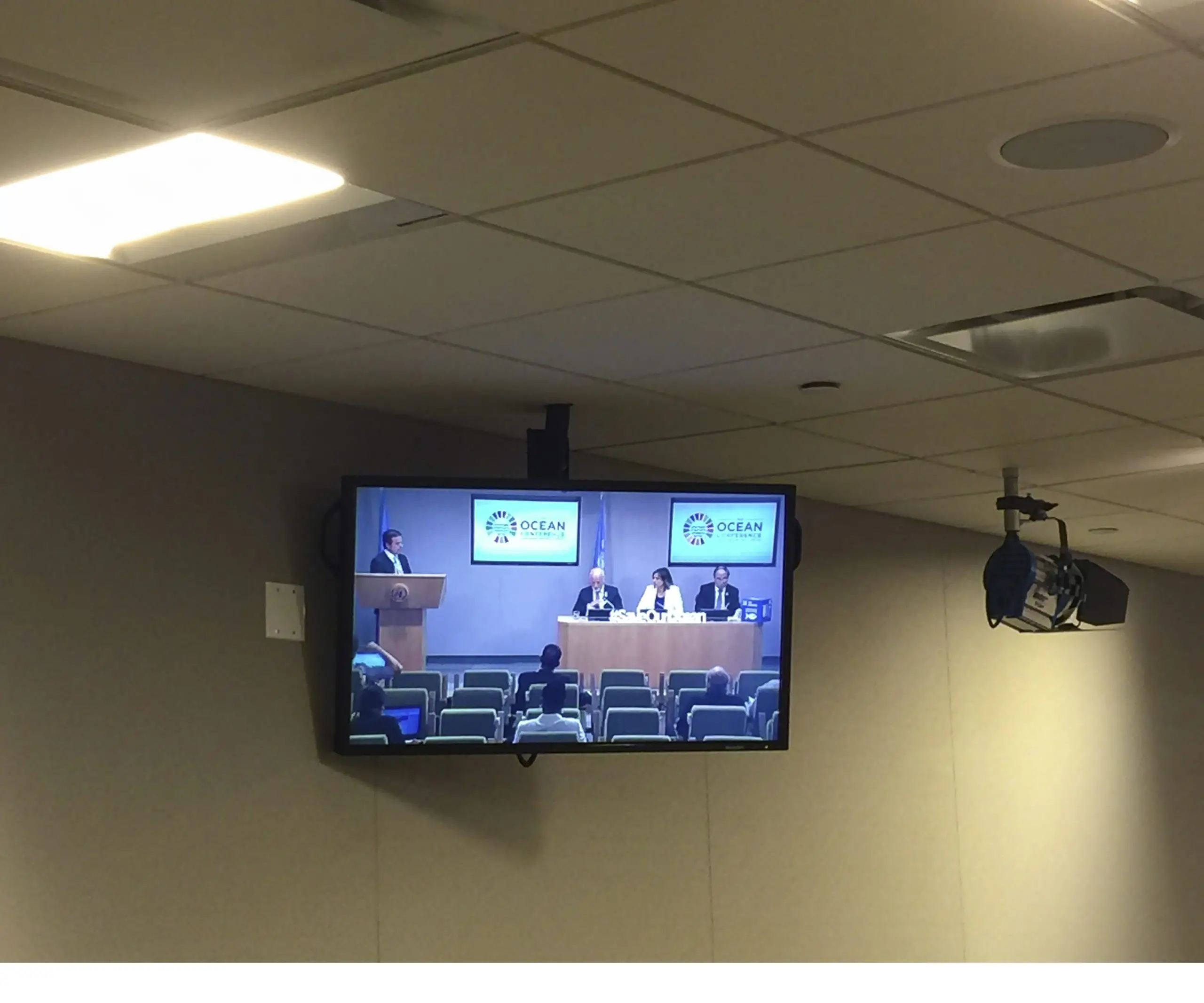
Across different scales and geographies, this work moves between institutions that determine the conditions of life and climate, and the everyday gestures that cut through ordinary existence; between territories marked by power, energy, and extraction, and the intimate dramaturgies of lives still trying to resist; between Indigenous communities and grassroots movements, where forms of struggle are inseparable from forms of memory.
What emerges is a shared narrative in which archiving becomes a way of resisting, and remembering becomes a political act.
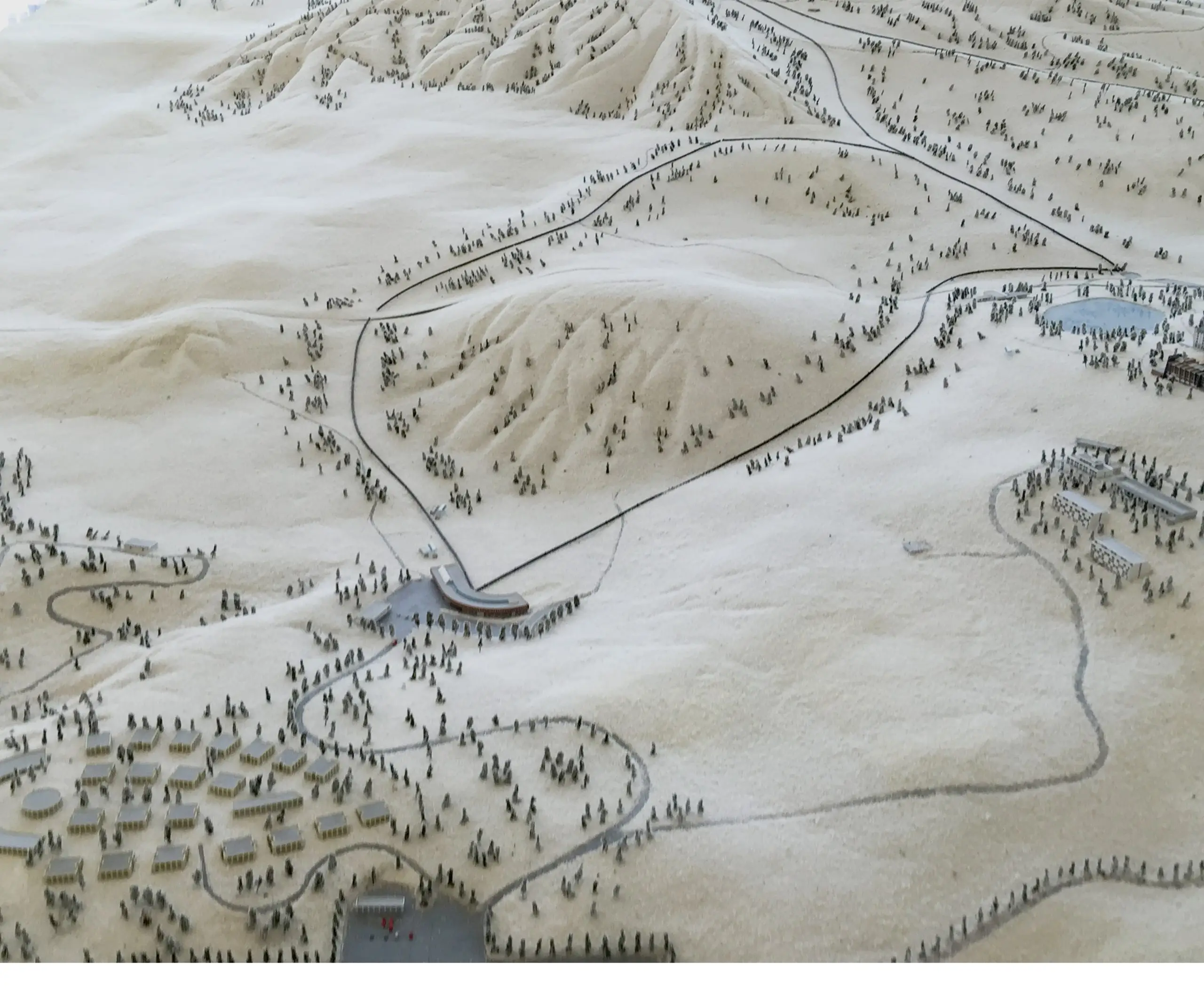
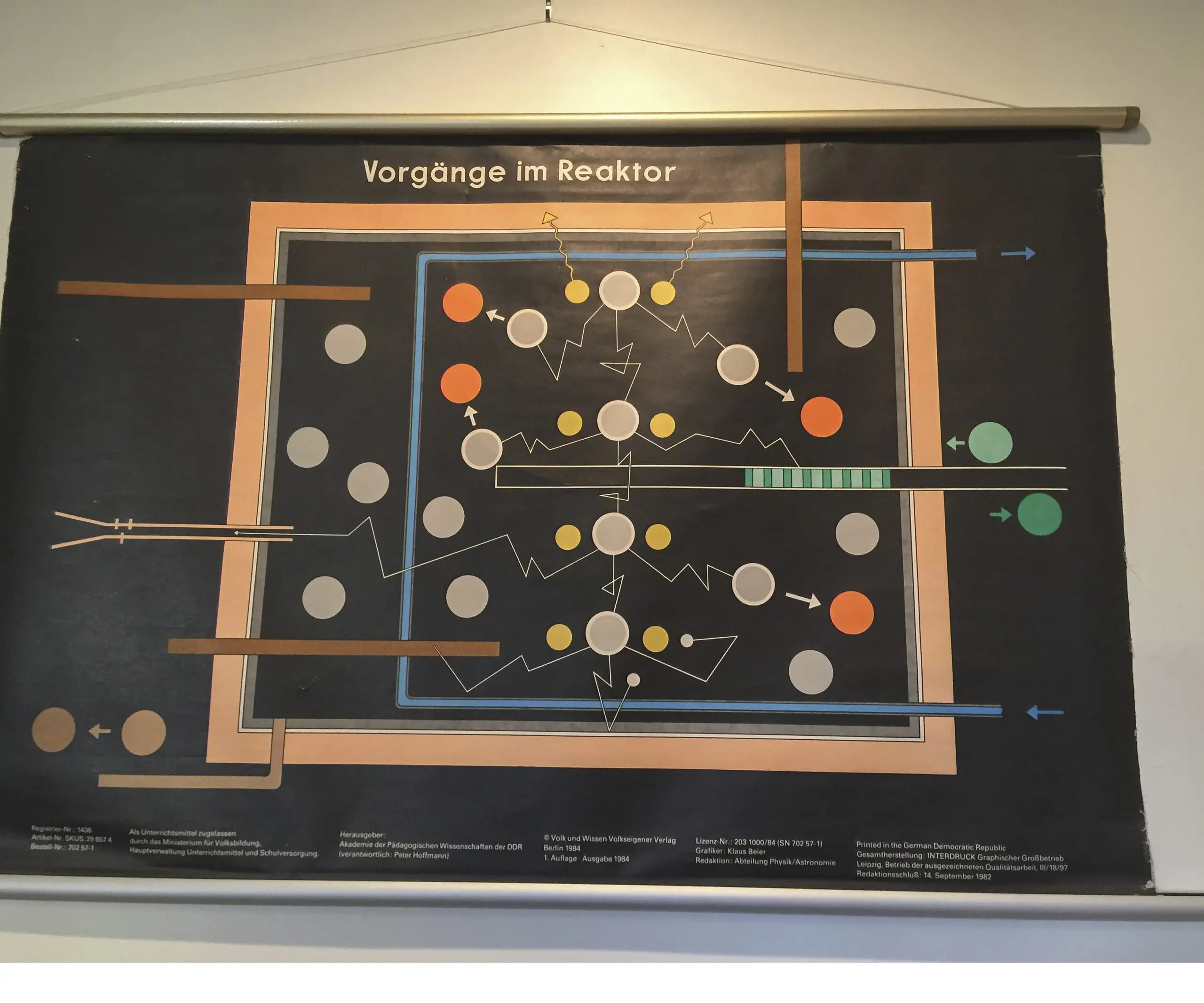
A model stabilizes what remains in flux.
It functions as an apparatus of organization, translating instability into readable structure. At the same time, this operation is never neutral: every model selects, filters, and constrains. What it produces in clarity, it may subtract in openness. Its strength lies in making complexity graspable; its limit lies in making that complexity smaller than it is.
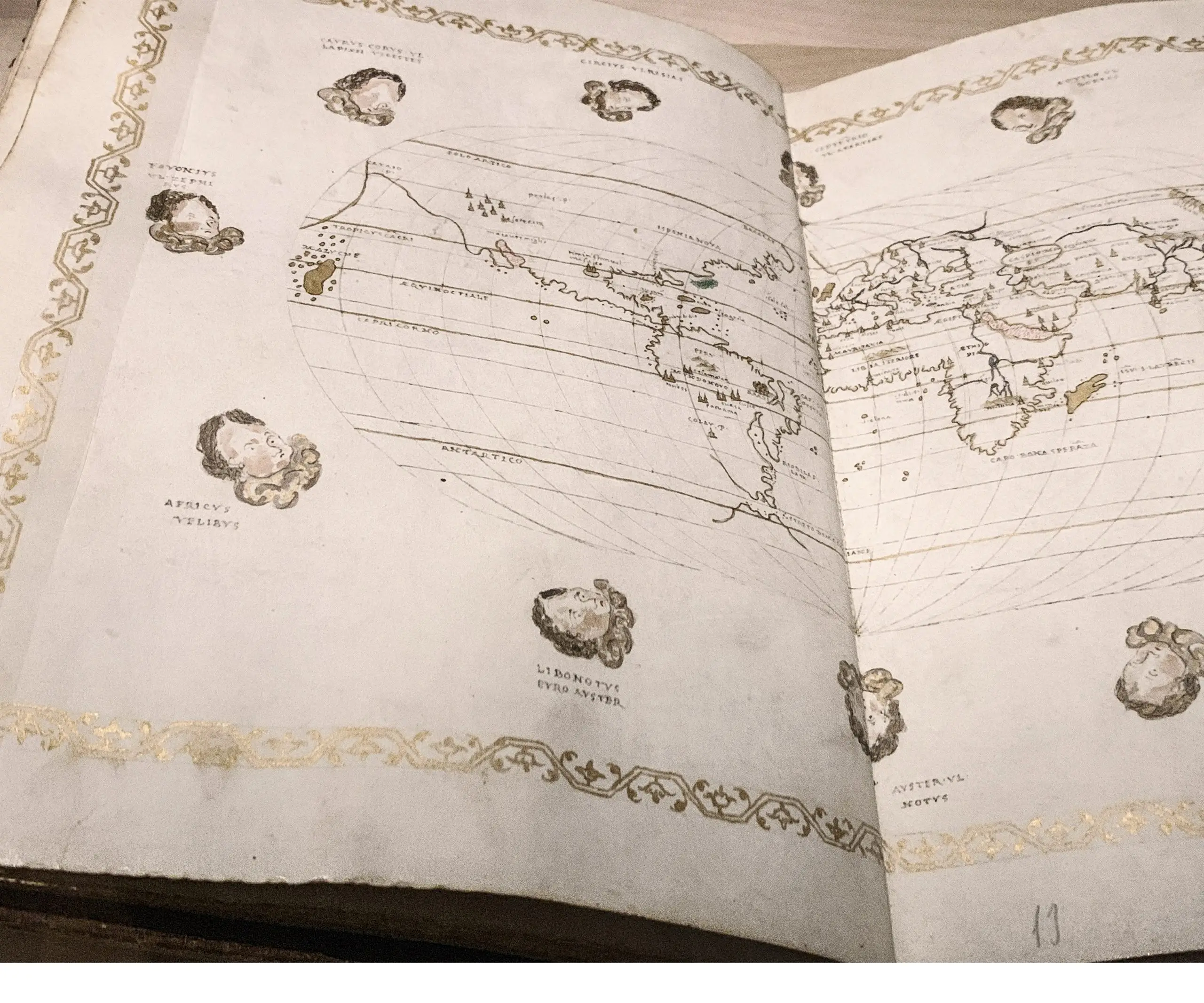
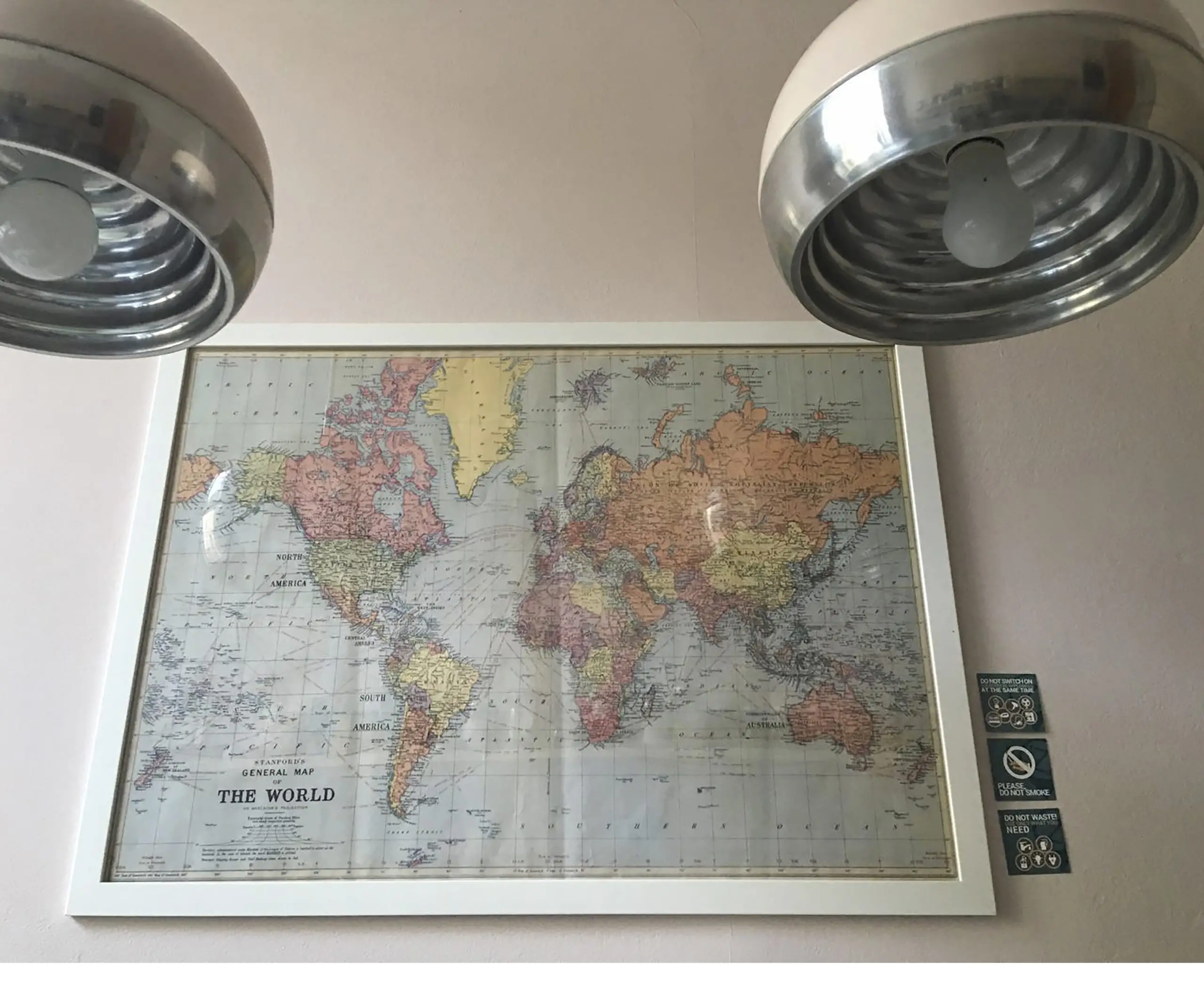
Every cartography encodes an omission.
Mapping is an epistemic operation founded on selection. It orders space by filtering complexity, translating multiplicity into legible form. Yet this legibility depends precisely on what is excluded. No cartography is neutral: each one constructs visibility through omission, producing knowledge at the same time as it defines its own limits.
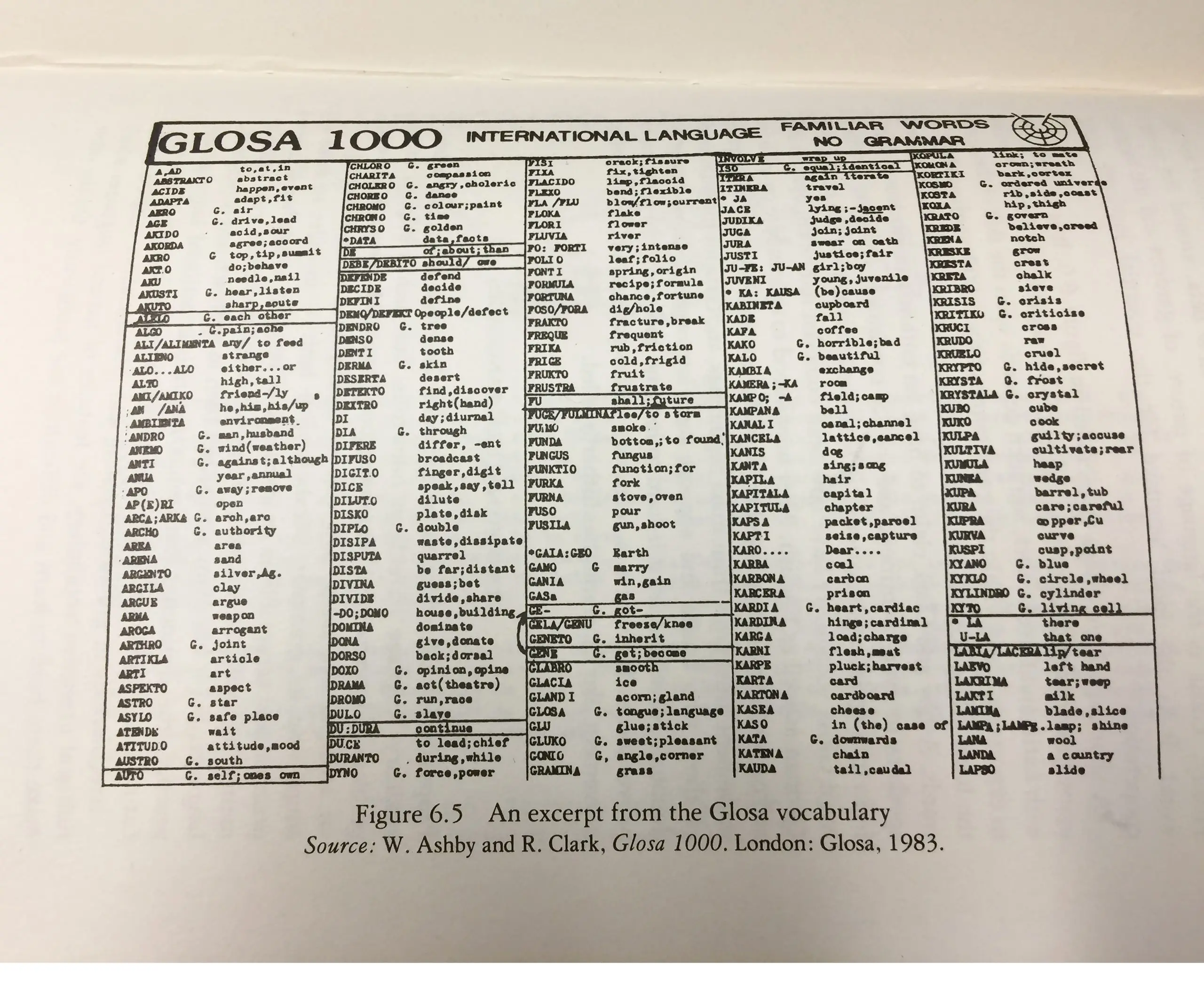
Every representation implies a loss.
Every representational system operates through abstraction, selection, and reduction. Its capacity to render the world intelligible depends precisely on what it excludes. What appears in representation is inseparable from what cannot be fully carried over into form.
To model is to formalize an instability.
Modeling is not the neutral description of a stable object, but the imposition of legible structure onto a dynamic and unresolved condition. Its operation depends on abstraction, selection, and constraint. In this sense, the model does not eliminate instability, but governs its appearance.
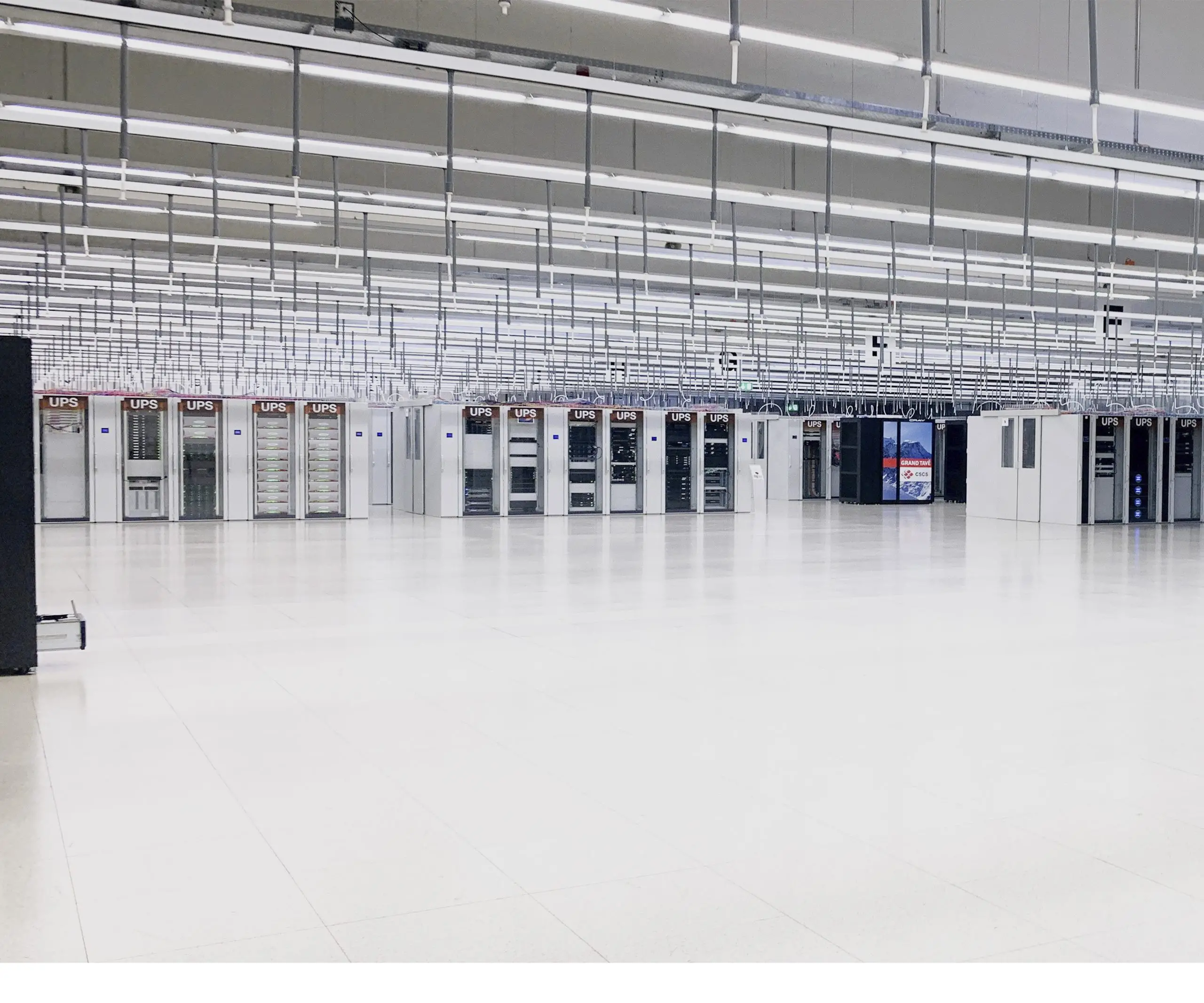
What becomes visible is already technically mediated.
Visibility should not be understood as direct access to the real, but as the effect of technical and epistemic operations. Apparatuses of mediation do not merely transmit what exists; they actively condition the field of appearance, producing the visible through processes of selection, inscription, and control.
Accessibility
Accessibility modes
Epilepsy Safe Mode
Dampens color and removes blinks
This mode enables people with epilepsy to use the website safely by eliminating the risk of seizures that result from flashing or blinking animations and risky color combinations.
Visually Impaired Mode
Improves website's visuals
This mode adjusts the website for the convenience of users with visual impairments such as Degrading Eyesight, Tunnel Vision, Cataract, Glaucoma, and others.
Cognitive Disability Mode
Helps to focus on specific content
This mode provides different assistive options to help users with cognitive impairments such as Dyslexia, Autism, CVA, and others, to focus on the essential elements of the website more easily.
ADHD Friendly Mode
Reduces distractions and improve focus
This mode helps users with ADHD and Neurodevelopmental disorders to read, browse, and focus on the main website elements more easily while significantly reducing distractions.
Blindness Mode
Allows using the site with your screen-reader
This mode configures the website to be compatible with screen-readers such as JAWS, NVDA, VoiceOver, and TalkBack. A screen-reader is software for blind users that is installed on a computer and smartphone, and websites must be compatible with it.